
Dermatology Science & Research

Skin Science Blog

Explore clinical insights, 3D skin analysis research, and modern aesthetic technology innovations.

0%

Choosing the right cosmetic contract research organization tools can shape a product’s safety, speed, and commercial credibility. These platforms support ingredient screening, formulation tracking, stability testing, documentation, and communication with specialized research partners. A well-designed system can connect laboratory findings with practical decisions, such as adjusting a cream after observing separation at elevated temperatures.

The market offers many options, but their strengths differ. Some tools prioritize electronic laboratory records, while others focus on project timelines, supplier data, regulatory documentation, or consumer testing. This guide examines ten leading solutions through a practical lens. It considers usability, data accuracy, integration, security, reporting quality, and support for cosmetic research workflows.

Real-world experience matters here. A tool may appear efficient during a product launch, yet become difficult when researchers manage hundreds of samples. Small details matter. Can teams trace a test result to its original batch? Can managers identify a delayed study without opening several spreadsheets? Can researchers export reliable reports for internal review?

No platform is perfect.

Pricing, training requirements, and regional compliance needs can change the final decision. Some evaluations may also depend on limited public information or vendor demonstrations. That limitation deserves attention. The best cosmetic contract research organization tools should not merely look modern; they should produce clear records, reduce avoidable errors, and support responsible collaboration. This overview provides a grounded starting point for comparing capabilities, recognizing trade-offs, and selecting technology that fits a cosmetic organization’s actual research environment.
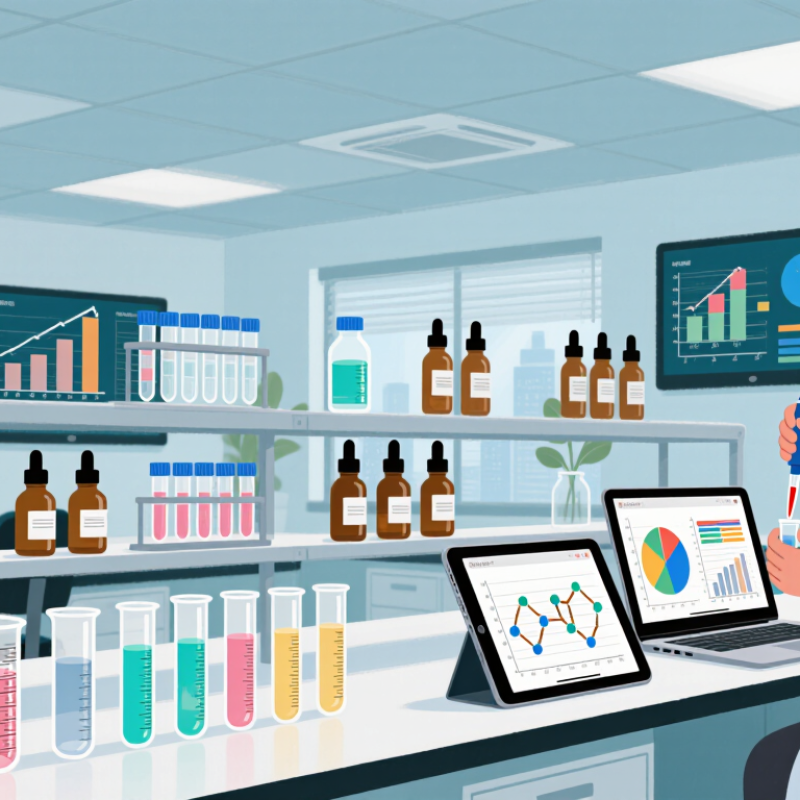
10 Best Cosmetic Contract Research Organization Tools?

What Cosmetic Contract Research Organization Tools Are

Cosmetic Contract Research Organization tools are systems that help teams design, test, document, and improve cosmetic products. They are not only software platforms. A reliable CRO may combine formulation databases, stability chambers, laboratory instruments, safety assessment files, sensory testing forms, and regulatory document controls. These tools connect evidence from a sample jar to a final technical report.

The need is growing. McKinsey’s 2023 beauty industry report projected the global beauty market could reach about $590 billion by 2028. Grand View Research estimated the global cosmetics market at approximately $446.2 billion in 2023. Larger markets create more testing pressure, especially for stability, microbiological quality, packaging compatibility, and consumer claims. A CRO tool should therefore track batch numbers, test conditions, analysts, deviations, and approval dates. Small details matter. A missing temperature record can weaken an otherwise useful study.

In practice, the strongest setup combines electronic laboratory records with validated analytical methods and experienced reviewers. ISO 22716 guidance supports controlled manufacturing practices, but it does not replace scientific judgment during product evaluation. Results should remain traceable, reproducible, and understandable to non-specialist teams. Some tools still produce attractive dashboards without explaining unusual results. That is a weakness. Human review remains necessary when a cream separates, a fragrance changes, or panel feedback conflicts with instrument data. Good systems expose uncertainty instead of hiding it.

10 Best Cosmetic Contract Research Organization Tools: What They Are

Cosmetic contract research organizations use specialized tools to evaluate product safety, stability, performance, consumer acceptance, and regulatory readiness. The chart ranks ten widely used research tool categories by their typical importance across cosmetic product development projects.

The priority index is a practical comparison score from 0 to 100 based on how commonly each tool supports safety, efficacy, quality, or compliance decisions. Actual requirements vary by product type, market, formulation, and claim strategy.

Core Functions and Evaluation Criteria for Cosmetic CRO Tools

Cosmetic CRO tools should support the full research workflow, from protocol design to final reporting. Core functions include sample tracking, study scheduling, stability testing records, safety assessments, and controlled data collection. A useful platform should show who changed each record and when. Clear audit trails protect data integrity. Role-based access also limits unnecessary edits.

Evaluation should focus on accuracy, usability, and evidence. Check whether the tool handles repeated measurements, missing values, participant withdrawals, and different product formats. It should export readable reports without hiding the original data. Secure backups and reliable access matter during long studies. However, no dashboard is perfect. I still question tools that look polished but provide weak validation records. Practical testing with real study files often reveals more than a sales demonstration.

Tips: Ask the CRO to demonstrate one complete workflow. Use a sample formula, a stability schedule, and a mock investigator report. Measure how quickly staff can locate a batch, correct an entry, and produce an audit-ready document. Confirm training records, support response times, and data retention rules. A strong tool reduces manual copying, but human review remains essential.

Ten Leading Cosmetic CRO Tools and Their Key Capabilities

10 Best Cosmetic Contract Research Organization Tools?

Ten Leading Cosmetic CRO Tools and Their Key Capabilities

Cosmetic CRO work depends on connected tools, not attractive dashboards alone. Leading systems support protocol design, participant recruitment, appointment scheduling, and consent records. They also track samples from collection to storage, reducing mix-ups during busy testing days. Standardized questionnaires capture skin comfort, appearance changes, and user feedback. Imaging tools add controlled lighting, fixed angles, and timestamped comparisons. These details make results easier to review.

Other important capabilities include ingredient and formulation libraries, laboratory inventory, statistical analysis, compliance document control, and automated reporting. A reliable platform should create an audit trail for every edit. Access permissions should match each team member’s role. Data exports must remain readable for investigators and independent reviewers. In practice, integration matters. A powerful imaging module is less useful when scheduling data stays isolated.

Tips: Test each tool with a realistic study scenario before purchase. Ask staff to enter a participant visit, record a sample, and generate a report. Watch for repeated manual steps. No system is flawless. A clean interface may still conceal weak version control or incomplete backups. Review validation records, training materials, security practices, and customer support response times. Small delays become expensive when hundreds of records require correction. Teams should also document what the software cannot do. That limitation is often overlooked.

How to Compare Cosmetic CRO Tools for Different Research Needs

Choosing among the 10 best cosmetic contract research organization tools depends on the research question, not popularity. A hydration study needs different functions from a sensitive-skin assessment. Compare tools by protocol design, participant tracking, ingredient records, imaging quality, and statistical reporting.

Clear audit trails matter. They show who changed a record and when. This supports reliable decisions and stronger communication with research partners.

A clinical imaging platform may suit studies measuring redness, texture, or fine lines. A sample-management system may work better for formulation stability testing. Look for controlled user access, exportable data, and consistent measurement conditions.

Experienced research teams should also check whether the tool handles missing data honestly. Perfect results are not realistic. A dashboard can make weak evidence look convincing if the underlying protocol is poor. That risk deserves attention.

Tips:

Define the research outcome before comparing software. Request a sample report using realistic study data. Test the tool with several users, including someone unfamiliar with the workflow. Check training materials, support response times, and data retention practices.

Do not select a tool only because it has more features. In practice, unused features increase cost and may slow researchers down. A smaller system can be more dependable when its records are clear, its measurements are repeatable, and its limitations are openly documented.

Selecting and Implementing the Right Cosmetic CRO Tool

Selecting a cosmetic CRO tool should begin with workflow reality, not a feature list. Map each study from sample receipt to final report. Record who approves protocols, reviews deviations, and releases data. The strongest tools provide controlled access, audit trails, version history, and searchable documentation. They should also track formulation codes, stability chambers, test conditions, and sample storage locations. Small details matter. A missing temperature record can delay an otherwise completed study.

Before implementation, test the platform with a realistic pilot. Use one stability project and one safety assessment. Ask staff to enter a late sample, correct a result, and document a deviation. If these actions feel awkward, adoption will probably suffer. Check export formats, permission settings, backup procedures, and integration with existing laboratory systems. Independent review is valuable. A qualified quality professional should challenge claims and inspect evidence, rather than accept polished demonstrations.

Training needs role-specific instructions, short exercises, and a clear escalation path. Do not launch every function at once. Start with sample tracking and document control, then expand after measuring errors and turnaround time. One weakness deserves attention: teams may over-customize the tool. Excessive fields slow entry and encourage incomplete records. Review the setup monthly during early use, especially after a failed handoff or delayed report. Keep corrections visible and responsibilities clear.

FAQS

What are cosmetic contract research organization tools?

They help teams design studies, test products, manage records, and prepare technical reports. They may include laboratory records, stability chambers, instruments, and safety files.

Which records should a reliable tool track?

It should track batch numbers, test conditions, analysts, deviations, and approval dates. A missing temperature record can weaken an otherwise useful study.

What tool suits a product stability study?

A sample-management system with controlled storage records may be suitable. It should connect sample jars, temperatures, test dates, and observations.

What tools support skin or appearance studies?

Clinical imaging tools can measure redness, texture, or fine lines under consistent conditions. Clear lighting and repeatable images matter.

Why are audit trails important?

Audit trails show who changed a record and when. They make study decisions easier to review and explain.

Can a dashboard guarantee reliable research results?

No tool can fix a weak protocol or poor measurements. A polished dashboard may still make uncertain evidence look convincing.

How should missing data be handled?

The system should identify missing records instead of quietly hiding them. Researchers must explain why data is absent and assess its possible effect.

Is human review still necessary?

Yes. Reviewers should investigate separation, fragrance changes, and conflicting panel feedback. Instrument data does not always explain what people observe.

How can teams compare different research tools?

Define the research outcome before comparing features. Request a sample report, test several users, and check support response times.

Is a tool with more features always better?

Not always. Unused features can increase costs and slow daily work. A smaller system may be more dependable when its limits are clearly documented.

Conclusion

Cosmetic contract research organization tools are specialized platforms that help cosmetic research teams plan, manage, document, and evaluate product development activities. They can support study design, ingredient and formula tracking, sample management, laboratory workflows, safety assessment, performance testing, data organization, reporting, and collaboration. When evaluating these tools, organizations should consider usability, data accuracy, workflow flexibility, security, integration options, scalability, reporting capabilities, and support for quality-focused research processes.

The ten leading categories of cosmetic CRO tools may include project management systems, laboratory information platforms, formulation databases, clinical study management tools, stability testing trackers, regulatory documentation systems, supplier and sample management solutions, analytics dashboards, electronic reporting tools, and collaboration platforms. The best choice depends on the research objective, team size, study complexity, budget, and existing technology environment. A careful comparison should identify essential functions, implementation requirements, user training needs, and long-term adaptability before selecting and integrating the most suitable solution.

Ethan

Ethan

Ethan is a dedicated marketing professional with a strong understanding of the company’s products, services, and customer-focused solutions. Through years of experience in market research, content strategy, and professional communication, he has developed the ability to translate complex product......