
Dermatology Science & Research
Skin Science Blog
Explore clinical insights, 3D skin analysis research, and modern aesthetic technology innovations.
Blog

Top Antera 3D Skin Analysis Device Suppliers and Prices
Choosing an Antera 3D skin analysis device is not simply a matter of finding the lowest listed price. Clinics must compare measurement accuracy, software functions, service coverage, training, and long-term operating costs. A professional system should capture detailed skin features, including wrinkles, pigmentation, texture, pores, and volume changes. It should also produce repeatable images under controlled lighting.
Dermatologist and skin-science educator Dr. Zoe Diana Draelos has stated, “The skin is the largest organ in the body.” This basic truth matters when evaluating digital analysis. A convincing image is not automatically a reliable clinical measurement. Operators need consistent positioning, stable lighting, and clear patient records. Small differences can affect treatment discussions.
This guide examines leading Antera 3D skin analysis device suppliers and their typical prices. It considers manufacturer reputation, regional availability, installation support, warranty terms, software access, and data-handling practices. Some suppliers publish transparent pricing. Others provide quotations only after consultation. That makes comparisons imperfect.
Real-world experience also reveals practical details. A busy clinic may need fast image capture, easy report generation, and a compact workstation. A medical spa may prioritize patient-friendly visual explanations. Research teams may require stronger export and documentation features. The best choice depends on workflow, not appearance alone.
Prices can change.
Readers should verify current quotations directly with authorized suppliers. They should also confirm compatibility with local clinical requirements and internal privacy policies. This overview aims to support careful purchasing decisions, while recognizing that technology can improve assessment without replacing professional judgment.
Read more »
 By:Julian
- September 11, 2026
By:Julian
- September 11, 2026
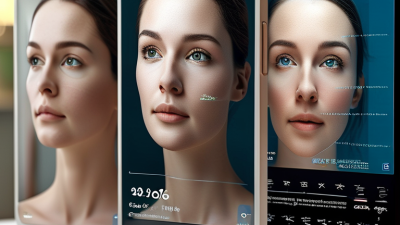
2026 Top 3D Skin Imaging Systems for Global Buyers
Global buyers entering 2026 face a crowded market of facial scanners, multispectral cameras, and analysis platforms. A dependable 3D skin imaging system should do more than produce attractive, rotating images. It should capture consistent detail under controlled lighting, support repeatable measurements, and fit naturally into clinical or research workflows. Small differences matter. A patient’s head position, room brightness, and calibration routine can influence results.
This guide examines three leading system categories through practical buyer criteria. These include image resolution, capture speed, skin feature analysis, software usability, data security, maintenance, and technical support. Real-world experience matters here. A system may impress during a polished demonstration but become difficult during a busy clinic session. Buyers should request sample reports, workflow demonstrations, and evidence of repeatability before committing. Independent evaluations and transparent manufacturer documentation also deserve careful attention.
Global procurement adds another layer of complexity. Import arrangements, training availability, software language, service response, and local compliance expectations can affect the total investment. The most expensive device is not automatically the most suitable choice. Nor is the lowest quoted price truly economical. Some comparisons remain imperfect because manufacturers use different cameras, algorithms, and measurement definitions. That limitation deserves attention. This overview therefore avoids treating “top” as a universal verdict. Instead, it offers a clear starting point for dermatology clinics, aesthetic practices, hospitals, laboratories, and distributors seeking reliable imaging technology in 2026. Claims should still be verified with qualified professionals and current supplier documentation.
Read more »
By:Julian
- September 11, 2026

What Is the Best 3D Skin Analysis Machine in 2026?
Choosing the best 3D skin analysis machine in 2026 requires more than comparing screen size, camera resolution, or software features. A reliable system should capture pores, pigmentation, wrinkles, redness, texture, and moisture under controlled lighting. It should also produce repeatable images when a client returns three months later. Small differences matter. A poorly positioned face can distort results.
Dr. Steven Weiner, an aesthetic physician experienced in image-guided treatment planning, offers a useful principle: “Technology should support clinical judgment, not replace it.” That reminder belongs at the center of every buying decision. A 3D skin analysis machine can reveal patterns that ordinary photographs miss, such as uneven cheek texture or early sun damage around the eyes. However, it should not make medical diagnoses by itself. Human review remains essential.
The strongest machines combine calibrated imaging, clear reporting, secure data handling, and practical workflow integration. They should help professionals explain findings without frightening clients. A good report turns a vague concern into visible evidence: enlarged pores beside the nose, dullness across the forehead, or deeper lines around the mouth. That is useful.
But no device is perfect.
Some systems exaggerate contrast. Others depend heavily on lighting, staff training, or software algorithms. This guide examines those weaknesses honestly, alongside accuracy, usability, maintenance, and long-term value. The best 3D skin analysis machine is not necessarily the most expensive model. It is the one that delivers consistent information, supports responsible consultation, and earns trust over repeated clinical use.
Read more »
By:Julian
- September 11, 2026