
Dermatology Science & Research

Skin Science Blog

Explore clinical insights, 3D skin analysis research, and modern aesthetic technology innovations.

0%

Skin pigmentation assessment is moving from visual judgment toward measurable, repeatable evidence. A modern skin pigmentation measurement device can record melanin-related changes that the eye may miss under different lighting conditions. This matters in dermatology, aesthetic clinics, clinical research, and product testing. The World Health Organization’s Global Solar UV Index guidance continues to link ultraviolet exposure with long-term skin damage and uneven pigmentation. Meanwhile, Grand View Research’s 2024 dermatology devices market analysis highlights stronger demand for imaging and diagnostic technologies in professional care.

Reliable measurement requires more than a bright camera. The device should control lighting, capture consistent skin areas, and provide comparable readings over time. Many systems use colorimetric values, melanin indexes, polarized imaging, or multispectral analysis. These methods support clearer documentation before and after treatment. They also help clinicians discuss realistic outcomes with patients. The International Commission on Illumination, or CIE, provides recognized color measurement principles that support standardized evaluation. Still, clinical interpretation remains essential. A number alone cannot explain hormonal changes, recent sun exposure, inflammation, or medication effects.

This guide reviews five leading devices for 2026. Selection focuses on measurement consistency, workflow, software, portability, and clinical usefulness. Peer-reviewed dermatology research supports objective imaging, yet device comparisons are not always perfectly standardized. That limitation deserves attention. Skin tone diversity can affect readings, especially when calibration is weak or datasets are narrow. No device is perfect. The best choice combines validated technology, trained operators, secure data handling, and honest reporting. Readers should verify current specifications, regulatory status, and independent evidence before purchasing.
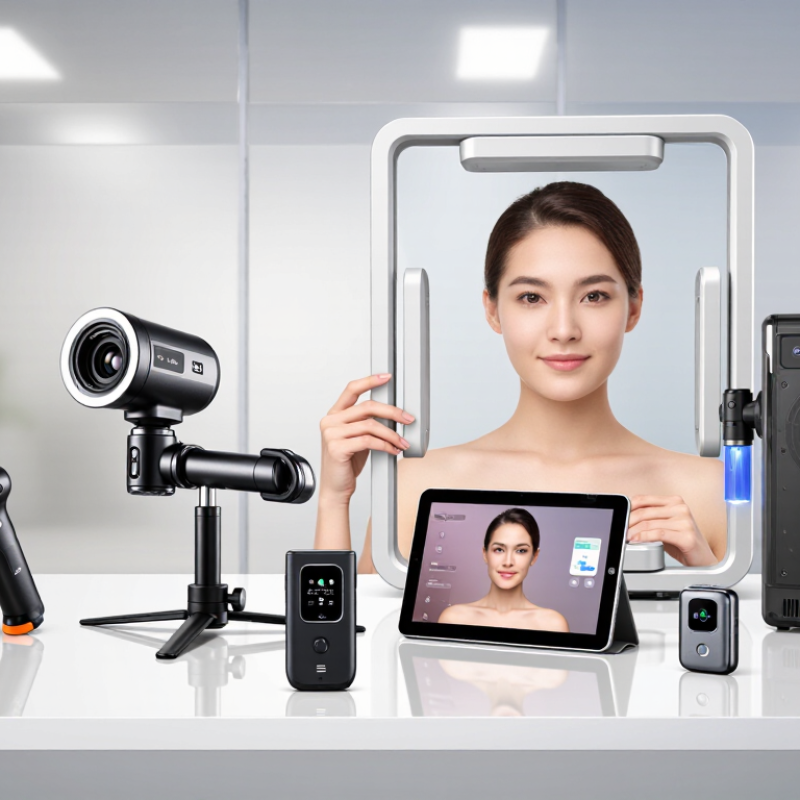
5 Best Skin Pigmentation Measurement Devices in 2026

What Is Skin Pigmentation Measurement and Why Does It Matter?

Skin pigmentation measurement is the process of quantifying skin color and melanin-related changes with an optical device. It can record lightness, darkness, redness, or uneven tone more consistently than casual visual inspection. Common systems use reflected light, controlled photography, or spectral analysis. The result is not a diagnosis. It is a measurement that supports clinical observation, cosmetic research, and treatment monitoring.

Why does it matter? Pigmentation can change slowly, and memory is unreliable. A calibrated reading may reveal whether a dark spot is fading or merely appearing different under new lighting. Professionals often compare the same area over time, while noting sun exposure, inflammation, medication history, and recent skincare. Small details matter. Clean skin, steady positioning, and consistent lighting reduce avoidable variation.

Still, the number is not absolute. Different devices may produce different values, especially across deeper or varied skin tones. Hair, moisture, shadows, and camera settings can distort results. Lighting can mislead. A trained user should check calibration and interpret readings alongside direct examination, photographs, and symptoms. I would not treat one reading as proof of improvement. That assumption is tempting, but incomplete. Better records include the date, body site, device settings, and testing conditions.

How Skin Pigmentation Devices Work: Key Technologies and Metrics

Skin pigmentation devices measure how skin absorbs and reflects light. Many use controlled LEDs or broad-spectrum illumination, then record reflected wavelengths with optical sensors. Darker melanin absorbs more visible light, especially across selected wavelength ranges. The device converts these readings into metrics such as the Melanin Index, erythema index, or L*a*b* color values.

Calibration matters greatly. A white reference tile helps correct sensor drift and changing room light. Contact pressure also affects readings, especially on soft cheeks or uneven scars. Keep the probe steady. Small movements can create noticeable differences. In clinical settings, repeated measurements from the same area improve reliability. However, one reading rarely tells the whole story. Freckles, tanning, dryness, makeup residue, and recent sun exposure can distort results. RGB cameras are convenient, but they may confuse redness with pigmentation under warm lighting. Spectral systems usually provide stronger separation, though they cost more and still need skilled interpretation. Skin tone diversity remains a practical challenge. Some devices perform better on certain tones than others, and published validation may be limited. Results should support professional assessment, not replace it. Data can look precise while the measurement process remains imperfect.

The 5 Best Skin Pigmentation Measurement Devices in 2026

The 5 Best Skin Pigmentation Measurement Devices in 2026 should support consistent, evidence-based skin assessment. The best choices include a spectrophotometer, a narrowband colorimeter, a melanin index meter, a digital dermatoscope, and a calibrated imaging system. Each device measures pigmentation differently. Spectrophotometers compare reflected light across multiple wavelengths. Colorimeters offer quick readings for routine checks. Melanin meters estimate pigment intensity on selected areas. Dermatoscopes reveal small changes near freckles or uneven patches. Imaging systems help document progress over time.

Useful data matters. A reliable device should provide repeatable readings, simple calibration, and clear storage options. Measurements should occur under similar lighting, pressure, and skin temperature. Even a small change in probe position can affect results. That detail is easy to overlook. Professional training also matters, because numbers require clinical interpretation rather than automatic conclusions.

Tips: Clean the skin gently before testing. Avoid measuring directly after exercise, sun exposure, or strong skincare treatments. Mark the same facial areas for every session. Take three readings, then compare the average. Keep photographs with identical distance and lighting. Review unexpected results manually. No device is perfect. Skin hydration, redness, and surface texture can distort readings. In practice, combining instrument data with visual examination often gives a more dependable picture. Results should guide professional judgment, not replace it.

How to Compare Accuracy, Usability, Cost, and Clinical Applications

Choosing among the five best skin pigmentation measurement devices in 2026 requires more than comparing price tags. Accuracy begins with controlled lighting, consistent probe pressure, and repeated readings.

CIE 15:2018 defines color measurement through L*, a*, and b* coordinates, helping clinicians track brightness and undertones objectively. ISO 5725-1 separates trueness from precision, a distinction many product comparisons overlook.

Repeatability matters.

Look for validation data, not impressive screens. Many clinical studies regard an intraclass correlation coefficient of 0.90 or higher as excellent agreement, although skin type and lesion location can change results.

ISO/IEC 17025 supports traceable calibration in testing laboratories, which strengthens confidence in longitudinal monitoring. Usability also matters. A device that needs three minutes per reading may fail in a busy clinic.

Cost follows complexity. Portable optical meters often suit routine follow-up, while imaging systems can document larger treatment areas and provide visual maps. However, image-based systems may need stronger lighting control and trained operators.

The practical choice depends on application: screening, treatment monitoring, research, or cosmetic consultation. A lower-cost device can be clinically useful when its limitations are documented.

No device is perfect. Even careful measurements can drift when hydration, inflammation, or recent sun exposure changes the skin.

(Sources: CIE 15:2018; ISO 5725-1; ISO/IEC 17025.)

Choosing the Right Pigmentation Measurement Device for Your Needs

Choosing the Right Pigmentation Measurement Device for Your Needs

The best device depends on your clinical question, skin-tone range, and workflow. A handheld colorimeter suits quick melanin-index readings during routine consultations. A spectrophotometer provides broader spectral data and can separate pigmentation from redness more reliably. Cross-polarized imaging adds visual evidence, especially when tracking uneven patches across the cheeks or forehead.

WHO’s 2023 skin-disease report estimated that 1.8 billion people live with a skin condition at any time. That scale makes consistent measurement valuable, not merely attractive. Look for devices reporting CIELAB values, melanin indices, or both. CIELAB can show subtle lightness changes, while a melanin index may support numerical treatment monitoring. Calibration matters. Ask whether the system uses a reference tile before each session.

Lighting and operator technique can quietly distort results. Measure the same area, at the same distance, after removing makeup and sunscreen. Take three readings, then record the median. Simple, but often skipped. A 2024 review of objective skin-color assessment methods in dermatology also emphasized standardized illumination and repeatability. Request validation data across diverse skin tones, not only fair skin. Ask for the coefficient of variation and test-retest error. A device may look precise yet perform poorly in real clinics. I would also trial it for two weeks, because software friction can undermine excellent hardware.

5 Best Skin Pigmentation Measurement Devices in 2026

Choosing the Right Pigmentation Measurement Device for Your Needs

The chart uses a transparent 1–5 guide score based on measurement principles: objective pigmentation quantification, color standardization, area coverage, portability, and repeatability. Spectrophotometers and narrowband melanin meters are generally strongest for quantitative pigmentation analysis, while standardized photography and dermoscopy are useful for documentation, visual assessment, and localized lesion monitoring. Exact performance varies by device design, calibration, lighting, skin site, and operator technique.

FAQS

What makes a pigmentation measurement device accurate?

Controlled lighting, steady probe pressure, and repeated readings improve accuracy. Measure the same skin area each time. Repeatability matters.

Which measurements should a device provide?

CIELAB values show lightness and undertones. A melanin index supports numerical treatment monitoring. Some systems provide both.

How can clinics test measurement reliability?

Request validation data across different skin tones and lesion locations. Check intraclass correlation, coefficient of variation, and test-retest error. Numbers can still mislead.

Which device suits quick routine consultations?

A handheld colorimeter can support fast melanin-index readings. It fits short appointments and smaller measurement areas. Keep it simple.

When is a spectrophotometer more useful?

A spectrophotometer provides broader spectral data. It may separate pigmentation from redness more reliably. That extra detail can require training.

When should a clinic choose imaging equipment?

Imaging systems help document larger areas, such as cheeks or foreheads. They can create visual maps of uneven pigmentation. Strong lighting control is essential.

What measurement routine improves consistency?

Remove makeup and sunscreen before testing. Use the same distance and location. Take three readings, then record the median.

How do hydration and sunlight affect results?

Hydration, inflammation, and recent sun exposure can change skin readings. Record these conditions before comparing visits. The comparison may still be imperfect.

How should cost influence the decision?

Portable meters often cost less and suit routine follow-up. Complex imaging systems may justify higher costs for treatment mapping or research. Price is not proof.

Should a clinic test software before purchasing?

Yes, run a two-week trial with real appointments. A three-minute reading can disrupt a busy clinic. Excellent hardware may still create workflow problems.

Conclusion

Skin pigmentation measurement helps quantify changes in skin tone, pigment distribution, and treatment response, supporting more consistent assessment than visual observation alone. This article explains why these measurements matter and introduces the key technologies and metrics used by a skin pigmentation measurement device, such as optical imaging and color analysis. It also surveys five leading types of devices for 2026, outlining how their features may suit different settings and assessment goals.

To choose an appropriate device, readers can compare measurement accuracy, ease of use, cost, and clinical applications. The article considers practical factors such as portability, consistency, and the kind of information each system provides, helping readers match a device to their needs, whether for research, professional skin assessment, or routine monitoring. The goal is to clarify the trade-offs involved so that device selection is based on intended use rather than specifications alone.

Julian

Julian

Julian is a professional marketing specialist with a deep understanding of the company’s products, customers, and industry landscape. Through a combination of strategic insight, market research, and clear communication, he helps transform complex product features into practical value for businesses......