
Dermatology Science & Research
Skin Science Blog
Explore clinical insights, 3D skin analysis research, and modern aesthetic technology innovations.
What Is the Best Wrinkle Analysis Software in 2026?
Table of Contents
- How Wrinkle Analysis Software Measures and Maps Facial Lines
- Core Technologies Used in Wrinkle Analysis
- Criteria for Evaluating Wrinkle Analysis Software in 2026
- Comparing Software for Clinical, Research, and Consumer Use
- How to Select and Use Wrinkle Analysis Software Responsibly
- FAQS
- Conclusion
- Related Posts
A wrinkle score can look precise on a bright screen. But the image behind it may be affected by lighting, facial expression, camera distance, and skin hydration. That is why choosing the best wrinkle analysis software in 2026 takes more than comparing polished dashboards. It means asking how the tool captures images, identifies lines, and explains its results.
Dermatologist Dr. Howard Murad has said, “The skin is a reflection of what’s going on inside your body.” For software, that is a useful reminder: a facial scan offers one view, not the whole story. A wrinkle map should support careful observation, not stand alone as a diagnosis or promise a treatment outcome. The distinction matters.
This guide compares tools through practical criteria, including image consistency, wrinkle-region detection, repeat-scan tracking, privacy safeguards, and usability in real consultations. A clinician may value detailed controls; a skincare team may need clear reports that clients can understand. We also consider whether vendors explain limitations, because impressive graphics can hide uncertain measurements. That deserves a second look.
There is no perfect scan. Tiny changes in light can shift a result, and software labels may not match how a person sees their skin. This comparison aims to show what each platform can—and cannot—tell you, so readers can choose with realistic expectations.
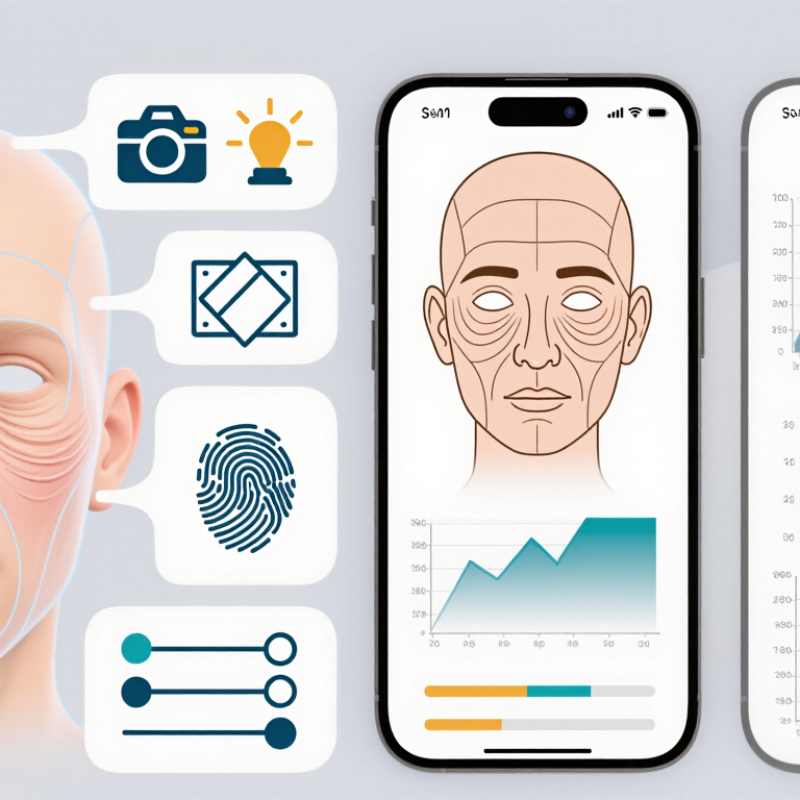
How Wrinkle Analysis Software Measures and Maps Facial Lines
Wrinkle analysis software begins with an image, but reliable measurement starts before the scan. Even lighting, a neutral expression, and a consistent camera distance help reduce misleading shadows. The system locates facial landmarks, then detects changes in brightness and skin texture that may indicate lines. A 2D image can map visible line length and direction; it cannot directly confirm true depth. That distinction matters.
Many tools display an overlay, using colors or contours to show where lines appear strongest. Some assign scores based on line count, width, or contrast, making comparisons easier when capture conditions match. Yet scores are estimates, not diagnoses. Facial movement, dry skin, makeup, and harsh side lighting can change the result without changing the skin itself. A polished map can still be wrong.
A 3D scan may add surface-depth data, though accuracy still depends on calibration and image quality. Small shifts matter. For useful tracking, compare images taken with the same pose, lighting, and expression, and keep the original photos alongside the map. This gives reviewers context when an algorithm marks a shadow as a wrinkle or misses a faint line. Even careful measurements can disagree slightly between sessions.
What Is the Best Wrinkle Analysis Software in 2026?
How wrinkle analysis software measures and maps facial lines
Image-analysis tools can map visible lines and estimate their length from calibrated facial images. This illustrative example compares total detected line length across facial regions; actual results depend on image quality, lighting, facial expression, and measurement method.
Core Technologies Used in Wrinkle Analysis
Wrinkle analysis software combines calibrated photography, three-dimensional surface mapping, and image-processing algorithms. Standardized two-dimensional images can track wrinkle length, area, and contrast, but shadows may exaggerate fine lines. Lighting matters. Three-dimensional optical imaging adds surface depth, helping distinguish a shallow crease from a deeper fold. Results still depend on camera distance, facial expression, and skin hydration.
Machine-learning models can locate wrinkle regions and compare measurements across visits. Their outputs are only as reliable as their training images and capture conditions. The U.S. FDA’s 2021 AI/ML Software as a Medical Device Action Plan emphasizes monitoring performance after deployment, a useful principle for changing software and diverse skin types. A score is not a diagnosis.
Environmental context matters, too. Hughes and colleagues’ 2013 study in Clinical, Cosmetic and Investigational Dermatology estimated that sun exposure accounted for about 80% of visible facial aging in the women studied. That figure is not a software accuracy rating; it shows why consistent lighting and exposure history matter when interpreting change. I would treat tiny score differences cautiously. Real skin is less tidy than a chart.
Criteria for Evaluating Wrinkle Analysis Software in 2026
When evaluating wrinkle analysis software in 2026, look beyond polished images. Reliable tools should measure wrinkle depth, length, and area under consistent conditions. Check whether the same face produces similar results across repeated scans. Even a small shift in camera angle can change a reading. That matters.
Lighting control is essential. Ask whether the software flags shadows, glare, or blurred images instead of presenting uncertain measurements as precise. Clear reports should show units, comparison dates, and limitations in plain language. A clinician or researcher should be able to review the image and understand how each score was generated. If the method is unclear, trust should be limited.
Practical workflow matters, too. Test image capture in the actual room, not only in a vendor demonstration. Check whether results can be exported and compared over time without losing context, such as changes in lighting or camera distance. Review data access, storage, and deletion settings before uploading identifiable images. Small clinics may also need training and support. Not always easy. No system removes human judgment: expressions, hydration, and recent skincare can affect visible lines. The best choice is the one that documents these variables, reports uncertainty honestly, and fits the intended use rather than promising perfect objectivity.
Comparing Software for Clinical, Research, and Consumer Use
What Is the Best Wrinkle Analysis Software in 2026?
The best wrinkle analysis software depends on who will use the results. A clinic needs repeatable measurements, clear image records, and tools that support—not replace—professional judgment. Research teams need consistent capture conditions, exportable data, and methods they can explain and reproduce. Consumer apps may offer quick visual comparisons, but their results are more sensitive to phone cameras, room lighting, and face position.
Small differences matter. A photo taken beside a window can make fine lines look deeper than one captured under even indoor light. Clinical and research workflows should standardize distance, lighting, facial expression, and camera settings. They should also document how the software detects wrinkles and whether its measurements have been independently assessed. A polished score alone is not evidence of accuracy. That distinction is easy to miss.
For personal tracking, choose software that stores dated images securely and makes comparisons straightforward. Treat changes as observations, not diagnoses or promises about treatment outcomes. Even with careful setup, skin hydration and expression can affect a reading. I would not assume that a precise-looking number is truly precise; the capture process may still be imperfect. Usefulness comes from consistent images, transparent limits, and results interpreted in the right setting.
How to Select and Use Wrinkle Analysis Software Responsibly
Wrinkle analysis software can help track visible skin changes, but it cannot diagnose a condition or predict how someone will age. Treat its scores as measurements, not medical conclusions. Before choosing a tool, check how it handles lighting, camera distance, image storage, and repeatability. A score can shift when a cloud passes the window. That matters.
Tips: Use the same room, camera, distance, and neutral expression each time. Avoid makeup or filters when possible. Capture front and side views under soft, even light. Review the original images beside any score. Ask whether the software explains uncertainty and lets users delete stored photos. Do not compare results taken under different conditions.
Responsible selection also means reading the privacy terms. Check who can access images, how long they remain, and whether they may be used to train models. Prefer clear controls and plain explanations. If results could affect treatment decisions, discuss them with a qualified skin professional. Software can miss fine lines, confuse shadows with folds, or overstate small changes. Even a tidy chart deserves a second look; its output is a prompt to observe carefully, not a verdict.
FAQS
It should assess wrinkle depth, length, and area under consistent conditions. Clear units help.
Shadows and glare can make lines look deeper or wider. A passing cloud may shift the reading.
Use the same room, camera, distance, and neutral expression each time. Keep lighting even.
Not automatically. A polished number may hide uncertainty or capture differences. I would check the original images, too.
They need repeatable measurements, documented methods, and exportable results. Test image capture in the actual room.
They can support visual comparisons, but phone cameras and face position affect results. Treat changes as observations, not diagnoses.
Check who can access images, how long they are stored, and whether they may train models. Look for deletion controls.
No. Expression, hydration, and recent skincare can affect visible lines. A tidy chart still deserves a second look.
Conclusion
Choosing the best wrinkle analysis software in 2026 depends on how accurately and consistently it can identify, measure, and map facial lines. These tools may combine facial imaging with methods such as image processing, depth estimation, or machine learning to assess wrinkle location, length, and visibility. Their results are most useful when images are captured under consistent lighting, facial expression, and positioning, since changes in these conditions can affect measurements.
Evaluation should consider measurement reliability, ease of use, privacy safeguards, and suitability for the intended setting. Clinical users may prioritize clear documentation and repeatable assessments, researchers may need detailed data and controlled workflows, while consumer tools should offer accessible explanations without overstating what an image can reveal. Before selecting wrinkle analysis software, check how it handles image data, what its measurements can and cannot establish, and whether its output supports—not replaces—professional judgment. Use results responsibly and avoid treating them as a diagnosis or a guarantee of treatment outcomes.

Blog Tags: