
Dermatology Science & Research

Skin Science Blog

Explore clinical insights, 3D skin analysis research, and modern aesthetic technology innovations.

0%

China’s skin analysis technology market has grown rapidly, supported by medical aesthetics, dermatology clinics, cosmetics research, and professional beauty services. This guide introduces China’s top 10 skin redness analysis system manufacturers and examines how their products support objective skin evaluation. These systems commonly use standardized lighting, high-resolution cameras, image-processing software, and redness measurement algorithms.

Useful details matter. A reliable device should produce consistent images under controlled illumination, even when a patient’s skin appears slightly oily or dry. Some systems display facial heat maps, while others compare redness levels across treatment periods. Export options, software integration, operator training, and after-sales support also influence practical value. These points help clinics and laboratories compare manufacturers beyond appearance or advertising claims.

However, no system replaces professional diagnosis. Skin tone, room lighting, camera distance, and user technique can affect results. Algorithms may also perform differently across diverse populations. That limitation deserves attention. Manufacturers with documented testing, transparent specifications, calibration procedures, and responsive technical service usually offer stronger long-term confidence. Independent validation is still preferable when investment decisions involve clinical workflows.

The following overview considers product capabilities, manufacturing experience, customization options, quality management, and market reputation. It also recognizes that “top” can mean different things for a hospital, beauty clinic, distributor, or research team. A compact system may suit a small clinic, while a research institution may require deeper data access. Careful comparison remains essential. Small details often decide performance.
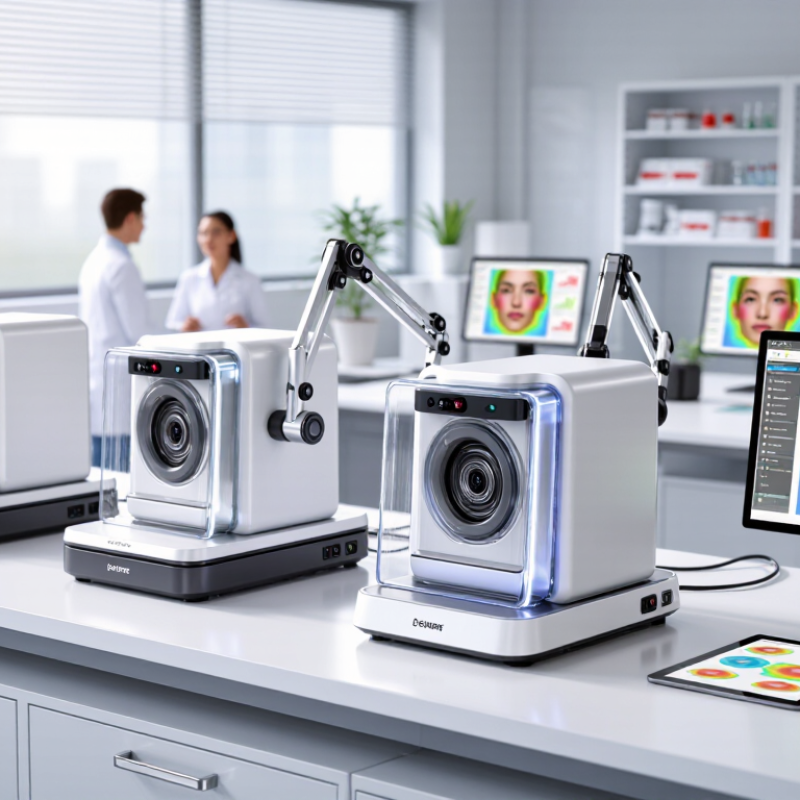
China Top 10 Skin Redness Analysis System Manufacturers

Scope and Criteria for China’s Top Skin Redness Analysis System Manufacturers

China Top 10 Skin Redness Analysis System Manufacturers should be judged through a clear, reproducible scope. This review covers camera-based facial redness analysis systems made, assembled, or substantially developed in China. It excludes ordinary skin cameras without redness-specific measurement. Statista Consumer Insights estimates China’s skincare market will generate more than US$20 billion in 2025. That scale increases demand for reliable visual assessment, not attractive screens alone.

The ranking uses five measurable areas: redness detection repeatability, image consistency, algorithm validation, regulatory documentation, and after-sales support. Euromonitor International’s 2024 beauty data identifies China as one of the world’s largest skincare markets. Therefore, local manufacturers should show performance across different skin tones, lighting conditions, and moisture levels. ISO 13485-based quality processes strengthen confidence, although certification alone proves limited clinical value. Testing should record repeated images, controlled lighting, and calibration intervals. Short demonstrations are not enough.

Data security also matters. Systems should explain image storage, consent handling, and access controls under applicable Chinese privacy requirements. Manufacturers with local training teams and documented maintenance deserve additional credit. Yet, the evidence may remain uneven. Public accuracy figures often lack independent testing details. That weakness should reduce ranking confidence. A transparent scoring model can award 30% for measurement performance, 25% for quality control, 20% for software usability, 15% for service, and 10% for compliance evidence. The weighting is practical, but not perfect. Independent dermatology studies would improve it.

Scope and Criteria for China’s Top Skin Redness Analysis System Manufacturers

This chart presents a neutral 100-point evaluation framework for comparing skin redness analysis system manufacturers. The criteria emphasize clinical validity, imaging capability, algorithm transparency, regulatory readiness, system integration, after-sales support, and data security. The percentages represent assessment weights rather than company or brand performance data.

Core Technologies Used in Skin Redness Analysis Systems

China Top 10 Skin Redness Analysis System Manufacturers

Skin redness analysis systems rely on controlled imaging, not simple smartphone photography. RGB cameras capture visible color, while polarized light reduces surface glare from oil and moisture. Multispectral systems add narrow wavelength bands, helping separate superficial redness from uneven illumination. Calibration matters. A slightly warm lamp can inflate redness readings.

Modern platforms use facial landmark detection and image segmentation. These tools isolate cheeks, nose, and forehead before calculating redness indices, often with CIELAB color values or erythema-related ratios. Machine-learning models can compare patterns across visits, but their results depend on training data quality. A model trained mainly on lighter skin may perform unevenly on darker tones. That limitation deserves attention.

The World Health Organization reported that skin conditions affect nearly 1.8 billion people at any time, highlighting the need for accessible assessment tools. Meanwhile, Grand View Research projected strong growth in the global artificial intelligence in healthcare market through 2030. These figures support continued investment in automated analysis, but market growth does not guarantee clinical reliability. Reputable systems should document lighting control, sensor calibration, repeatability, and validation against expert assessments. Privacy protection is equally important, especially when facial images are stored remotely. A red area is a measurement, not a diagnosis. Human review remains necessary when results conflict with visible symptoms.

Leading Chinese Manufacturers and Their Product Strengths

China’s leading skin redness analysis system manufacturers combine optical engineering with practical dermatology workflows. Their product strengths often include high-resolution RGB cameras, polarized illumination, and algorithms that map redness across the cheeks, nose, and chin. Some systems also calculate erythema indexes, compare before-and-after images, and generate patient-friendly reports.

Measurement consistency matters most. Strong manufacturers provide factory calibration, controlled lighting, and repeatability tests across different skin tones. Many also offer adjustable imaging distances, cloud-based data storage, and software integration for clinics or research teams. Their OEM and customization capabilities can support different screens, languages, and consultation processes. Yet no system is perfect. A warm room, facial movement, or uneven skincare residue may affect results. Some interfaces still feel crowded, and algorithm explanations are not always clear enough for nontechnical users.

Tips: Ask for repeatability data, calibration records, and sample reports before purchasing. Test the device on varied skin tones under fixed lighting. Check data security, training support, warranty terms, and software update policies. A useful system should support clinical judgment, not replace it. Independent verification remains valuable, especially when redness changes are subtle.

Applications Across Dermatology, Cosmetics, and Skin Care Research

China’s top ten skin redness analysis system manufacturers serve more than cosmetic testing. Their imaging platforms support dermatology clinics, product laboratories, and academic skin research. Many systems combine calibrated photography with RGB or multispectral imaging. They can measure redness across cheeks, nose, and sensitive zones. A controlled light box matters. So does a stable camera distance.

In dermatology, clinicians may use these systems to document erythema before and after treatment. Images provide a clearer visual record than memory alone. However, redness scores should support clinical judgment, not replace it. Skin tone, room temperature, recent exercise, and cleansing can change results. The numbers are not absolute. A trained operator should follow the same preparation and capture steps each time.

Cosmetic teams use redness analysis to compare formulas, evaluate soothing claims, and monitor irritation during user studies. Researchers can connect image data with questionnaires, barrier measurements, or hydration readings. This creates stronger evidence than a single visual opinion. Still, software may misread shadows, acne marks, or uneven lighting. That weakness deserves attention. Buyers should examine calibration records, repeatability tests, data export options, and privacy controls. A useful system is not merely attractive; it must produce consistent evidence across operators, skin types, and study locations.

How to Evaluate and Select a Suitable Manufacturer

China’s skin redness analysis system market is expanding with dermatology technology demand. Grand View Research estimated the global dermatology devices market at about USD 4.7 billion in 2023. This growth makes manufacturer selection more difficult, not easier.

Evaluate the manufacturer’s measurement evidence, not only its product images. Request repeatability data, calibration records, detection thresholds, and validation across different skin tones. Test the system on cheeks under controlled lighting, then repeat the scan after repositioning the subject. Stable results matter more than a dramatic color map. Check whether the software separates redness from shadows, acne marks, and uneven illumination. ISO 13485 quality procedures can indicate disciplined manufacturing, but certification alone does not prove clinical accuracy. Ask for independent test reports and clear limitations. A confident sales presentation may still hide weak sampling.

Tips: Ask for a blinded comparison with a recognized reference method. Review at least three months of service records. Confirm software update controls, data security, training, warranty response, and spare-part availability. NIST’s AI Risk Management Framework recommends documenting performance, risks, and human oversight, which is useful for software-assisted analysis. Also inspect the camera housing, cable joints, and workstation ergonomics. Small faults become expensive during daily testing. Do not rely on one successful demonstration. My own selection checklist would include a failed-test review, because manufacturers rarely volunteer those details.

FAQS

How do skin redness analysis systems measure redness?

RGB cameras capture visible color from the face. Polarized light reduces glare from oil and moisture. Multispectral imaging can separate redness from uneven lighting. The result is a measurement, not a diagnosis.

Why is calibration important during redness analysis?

Lighting temperature can change readings. A warm lamp may make redness appear stronger. Calibration helps keep results consistent across sessions. Small environmental changes still matter.

Which facial areas can these systems analyze?

Software can isolate the cheeks, nose, forehead, and chin. Facial landmarks guide image segmentation. The system may calculate redness indexes for each area. Movement can weaken the comparison.

Can these systems work equally well on every skin tone?

Not always. Performance depends on training data and validation quality. Models trained mostly on lighter skin may perform unevenly on darker tones. Testing across varied skin tones is essential.

What evidence should buyers request from a manufacturer?

Ask for calibration records, repeatability data, and detection thresholds. Request sample reports and independent validation results. A dramatic color map proves little by itself. Failed-test records would also help, but they are rarely offered.

How should a redness analysis system be tested before purchase?

Scan the same cheek under fixed lighting. Reposition the person, then repeat the scan. Stable results matter more than bright visual effects. Test shadows, acne marks, and skincare residue.

Can redness analysis software replace professional judgment?

No. It supports assessment but cannot explain every visible symptom. Human review remains necessary when measurements conflict with observation. The software may appear confident and still be wrong.

What privacy and maintenance issues should clinics consider?

Facial images may be stored remotely, so access controls and retention rules need review. Check software updates, training, warranty response, and spare parts. Inspect cables and camera housing regularly. Small faults become expensive.

Conclusion

This article presents a practical overview of China’s top skin redness analysis system manufacturers, using criteria such as technical capability, product reliability, research investment, customization options, quality control, and service support. It explains the core technologies behind these systems, including high-resolution imaging, controlled lighting, color analysis, redness indexing, and software-based data interpretation. By comparing manufacturers according to their product strengths, readers can better understand differences in measurement accuracy, usability, integration capacity, and suitability for different professional environments.

The article also examines applications in dermatology, cosmetics development, clinical observation, and skin care research, where objective redness assessment can support more consistent evaluation and decision-making. Finally, it provides guidance for selecting a suitable manufacturer by considering intended use, testing requirements, system compatibility, data management, training, maintenance, and long-term scalability. This framework is designed to help buyers make informed choices based on performance and practical needs rather than marketing claims alone.

Ethan

Ethan

Ethan is a dedicated marketing professional with a strong understanding of the company’s products, services, and customer-focused solutions. Through years of experience in market research, content strategy, and professional communication, he has developed the ability to translate complex product......