Dermatology Science & Research
Skin Science Blog
Explore clinical insights, 3D skin analysis research, and modern aesthetic technology innovations.
A plastic surgery skin consultation device is a clinical imaging and assessment system designed to make skin concerns easier to see, discuss, and document. It may capture high-resolution photographs, analyze pigmentation, texture, pores, redness, or wrinkles, and compare changes over time. Some systems create simulated treatment images. These previews can be useful, but they are not promises.
Dr. Steven Dayan, a board-certified plastic surgeon and aesthetic medicine educator, expresses an important principle: “Technology should support clinical judgment, not replace it.” That idea matters here. A device can highlight uneven tone on a patient’s cheek, display sun damage near the eyes, or measure changes after a skincare plan. It cannot fully understand medical history, emotional expectations, skin sensitivity, or personal risk. A trained clinician must interpret the findings.
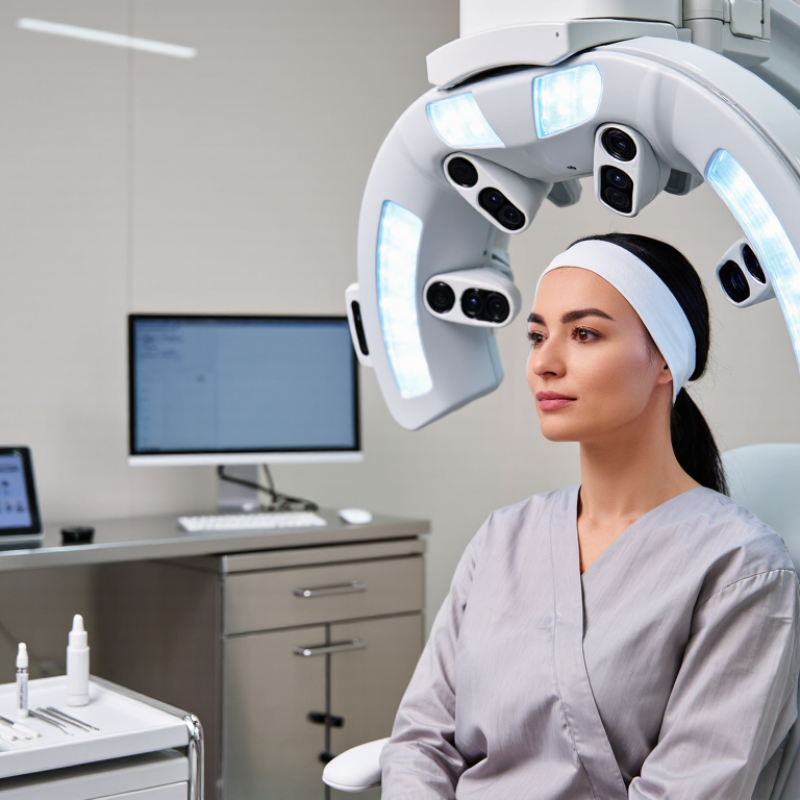
The consultation should feel practical, not theatrical. A patient sits under controlled lighting while the camera records several facial angles. The software produces visual data within minutes. The clinician then explains what the images show, what they cannot show, and which options may be reasonable. Small details matter, including calibration, image consistency, data protection, and clear consent.
No device is perfect.
Skin analysis can be affected by lighting, makeup, hydration, or camera positioning. Results may also be misunderstood when software uses uncertain algorithms. For that reason, this article will examine how a plastic surgery skin consultation device works, where it helps, and where professional caution remains necessary. Better information is valuable. It still requires human judgment.
Definition and Purpose of a Plastic Surgery Skin Consultation Device
A plastic surgery skin consultation device is a clinical imaging system used to examine visible skin conditions before treatment. It captures standardized photographs under controlled lighting. Some systems assess pigmentation, redness, pores, wrinkles, texture, and facial symmetry. The device does not replace a medical examination. It supports one.
Its purpose is clearer communication. A surgeon can show a patient how sun spots appear beneath surface lighting. A patient can compare the left and right sides of the face. These visual details may improve treatment planning, expectation setting, and follow-up documentation. The ISAPS Global Survey 2023 recorded 34.9 million surgical and nonsurgical aesthetic procedures worldwide in 2022. That scale increases the need for consistent consultation records.
Accuracy still depends on practice. Room lighting, camera distance, makeup, hydration, and facial expression can change results. I have seen attractive images create false confidence. A trained clinician must interpret the findings with medical history and physical examination. The American Society of Plastic Surgeons’ 2023 procedural statistics also identify skin resurfacing as a major minimally invasive category, reinforcing the value of measurable baseline images. However, the device cannot predict healing or guarantee an outcome. Patient consent, secure data handling, calibrated equipment, and honest discussion remain essential. The numbers need context.
What Is a Plastic Surgery Skin Consultation Device? - Definition and Purpose of a Plastic Surgery Skin Consultation Device
| Data Dimension | Definition or Specification | Typical Consultation Value | Important Consideration |
|---|---|---|---|
| Device definition | A digital imaging or measurement system used to document and assess visible skin characteristics during a cosmetic or plastic surgery consultation. | Provides a more structured baseline for discussing skin condition, treatment goals, and possible procedures. | It supports clinical assessment but does not replace a physical examination or professional diagnosis. |
| Primary purpose | To capture, organize, and present information about the skin before a treatment plan is discussed. | Improves communication between the patient and clinician by making concerns easier to identify and compare. | The device should be used as a consultation aid rather than as the sole basis for treatment selection. |
| Common imaging modes | Standardized visible-light photography, polarized-light imaging, and, in some systems, specialized light or multispectral imaging. | Different modes can highlight surface texture, redness, pigmentation, pores, uneven tone, and other visible features. | Results depend on lighting, camera position, skin preparation, and consistent image-capture procedures. |
| Skin attributes assessed | Visible pigmentation, redness, wrinkles, fine lines, pore appearance, skin texture, oiliness, dryness, and signs of sun exposure. | Helps establish which concerns may be relevant to skincare, energy-based treatments, injectables, resurfacing, or surgery-related planning. | Many measurements are visual or algorithm-supported estimates and should be interpreted by a trained professional. |
| Image standardization | Controlled positioning, fixed distance, consistent lighting, neutral facial expression, and repeatable camera settings. | Makes before-and-after comparisons more meaningful and reduces variation caused by photography conditions. | Changes in makeup, hydration, facial movement, lighting, or camera angle can affect apparent results. |
| Patient education | Visual presentation of skin findings, treatment areas, and relevant changes over time. | Helps patients understand the consultation discussion and ask more specific questions about expected outcomes. | Visual enhancement or simulation features may not accurately predict an individual’s final result. |
| Treatment planning support | Recorded images and measurements that can be reviewed alongside medical history, examination findings, and patient goals. | Supports personalized discussions about treatment priorities, sequencing, maintenance, and realistic expectations. | Final decisions require assessment of anatomy, skin type, medical history, risks, and treatment suitability. |
| Progress monitoring | Repeated images or measurements collected at comparable intervals after treatment. | Documents changes in skin appearance and can support follow-up conversations about response and maintenance. | Assessment timing should reflect the treatment type because swelling, redness, and healing can temporarily alter appearance. |
| Typical consultation workflow | Patient intake, skin preparation, standardized image capture, review of findings, clinical examination, and treatment discussion. | Creates a consistent process for documenting concerns and explaining available options. | The workflow should be adapted to the patient’s condition and the type of consultation. |
| Data output | Photographic records, visual maps, comparative images, measurement summaries, and consultation notes. | Provides a documented reference for patient counseling, follow-up, and progress review. | Outputs should be stored securely and interpreted together with clinical information. |
| Use in plastic surgery | A supplementary tool used before or after procedures involving facial appearance, skin quality, scars, or rejuvenation. | Can assist with documenting baseline skin condition and explaining how skin quality may influence the overall treatment plan. | It cannot determine surgical eligibility, replace informed consent, or guarantee a particular cosmetic outcome. |
| Safety and hygiene | Non-invasive image capture generally involves no skin penetration, while contact components require appropriate cleaning and infection-control procedures. | Allows visual assessment without exposing the patient to a treatment procedure during the consultation. | Any device used near the skin should follow applicable clinical cleaning, maintenance, and operating instructions. |
| Privacy and records | Patient facial images and associated measurements are personal health information and should be handled as confidential records. | Secure storage and controlled access help protect patient privacy and support appropriate follow-up documentation. | Patients should understand how images are collected, stored, used, retained, and shared before consent is provided. |
Summary: A plastic surgery skin consultation device is a non-invasive assessment and documentation aid that helps clinicians and patients review visible skin characteristics, establish a baseline, and communicate treatment goals. It should complement—not replace—professional clinical evaluation.
FAQS
It is a clinical imaging system for examining visible skin features before treatment. It creates standardized photographs under controlled lighting. It supports, but never replaces, medical examination.
It may display pigmentation, redness, pores, wrinkles, texture, and facial symmetry. Some systems also estimate hydration, oil levels, elasticity, or skin temperature. These readings need professional interpretation.
Patients can view specific concerns on a screen. For example, lighting may reveal sun spots or uneven color. Side-by-side images can show differences between the left and right cheeks.
No. It cannot guarantee healing, symmetry, or a final appearance. Individual recovery remains uncertain. That matters.
Makeup, facial expression, room temperature, skin moisture, and camera distance can change results. Recent exercise or outdoor exposure may also affect readings. Consistent conditions produce more useful comparisons.
No. It may highlight an area needing closer review. A qualified clinician may recommend further examination or testing. A colorful image is not a diagnosis.
It maps facial contours and asymmetry. This can support discussions about volume, skin laxity, and possible treatment changes. The map remains an estimate, not a promise.
Artificial intelligence can identify visual patterns and compare images over time. It should assist professional judgment, not replace it. Results may vary across different skin tones. I would question absolute certainty.
The clinic should obtain informed consent and store images securely. Equipment needs regular calibration and documented operating procedures. Patients deserve clear explanations about uncertainty and data use.
Conclusion
A plastic surgery skin consultation device is a professional diagnostic tool designed to assess skin condition before, during, or after an aesthetic procedure. It may use technologies such as high-resolution imaging, polarized or ultraviolet light, moisture and oil sensors, and computer-assisted analysis to reveal concerns that may not be visible under ordinary lighting. These findings help clinicians understand skin quality, identify areas requiring attention, and develop a more individualized consultation and treatment plan.
The device can collect and interpret data related to pigmentation, redness, texture, pores, hydration, sebum levels, elasticity, and signs of sun-related damage. By providing visual records and measurable indicators, it can improve communication between patients and clinicians and support treatment monitoring over time. However, its results should be considered supportive rather than definitive. Image quality, skin preparation, device settings, and user experience may affect accuracy, so clinical examination and professional judgment remain essential. Privacy, informed consent, proper maintenance, and responsible data handling are also important clinical considerations.