
Dermatology Science & Research

Skin Science Blog

Explore clinical insights, 3D skin analysis research, and modern aesthetic technology innovations.

0%

Choosing China’s top pharma and cosmetics research equipment manufacturers requires more than comparing product catalogs. Buyers need instruments that deliver repeatable results, fit real laboratory workflows, and come with dependable technical support. The details matter: a stability chamber must maintain set conditions, while a homogenizer must produce consistent batches. Small performance gaps can affect development decisions.

Industry data helps explain the growing attention to this field. IQVIA’s The Global Use of Medicines 2024 forecasts worldwide medicine spending will reach about US$2.3 trillion by 2028. China’s National Bureau of Statistics reported that national research and development expenditure reached RMB 3.33 trillion in 2023, or 2.64% of GDP. These figures indicate substantial research activity, but they do not prove that any individual supplier offers reliable equipment. A market forecast is not a supplier audit.

This guide examines manufacturers of pharma cosmetics research equipment through practical criteria: application range, instrument specifications, calibration records, quality systems, customization, and after-sales service. It also considers equipment such as analytical instruments, stability chambers, mixers, and emulsification systems. Ask for application-specific test data. Check service response times, too. A polished catalog is useful, but it cannot replace a factory audit or a trial run with your own materials. Some comparisons remain difficult, since published specifications may not reflect performance under daily laboratory conditions. That limitation deserves attention.
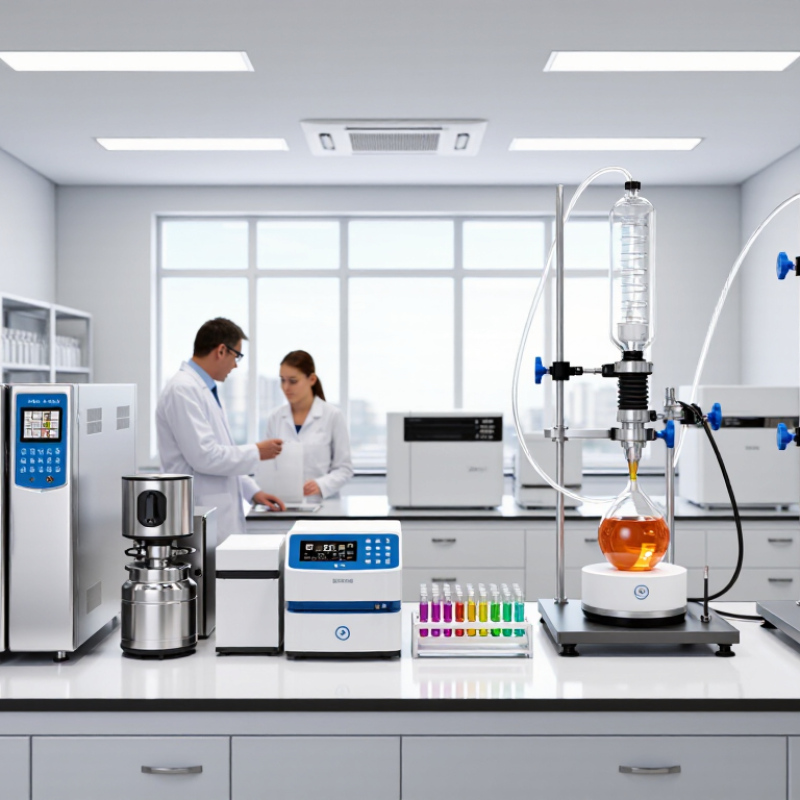
China Top Pharma Cosmetics Research Equipment Manufacturers?

Pharmaceutical and Cosmetics Research Equipment: Scope and Applications

Pharmaceutical and cosmetics research equipment supports work from early formulation to product stability checks. A laboratory may use analytical balances to weigh powders, pH meters to assess gels, and viscometers to compare creams. Dissolution testers help examine how tablets release active ingredients under defined conditions. Stability chambers expose samples to controlled temperature and humidity. Small details matter. Sample preparation, instrument calibration, and documented methods can all affect results.

Cosmetics teams use microscopes and particle-size analyzers to study emulsions, pigments, and suspensions. Packaging compatibility tests can reveal changes in color, odor, or texture after contact with a container. In pharmaceutical research, chromatography systems and dissolution equipment help characterize ingredients and finished formulations. Results are useful only when methods suit the sample and instruments are maintained. Not every result is neat. A cream may separate in one test but remain stable in another, so researchers should review conditions before drawing conclusions. Equipment selection depends on the product, study purpose, measurement range, and available technical support. Calibration records help, though they cannot replace careful experimental design.

Core Equipment Categories Used in Laboratory Research

Pharmaceutical and cosmetics research depends on equipment that produces repeatable, traceable results. Core analytical tools include high-performance liquid chromatography systems, mass spectrometers, and spectrophotometers. They help researchers examine active ingredients, impurities, and formulation stability. Calibration matters. So does sample handling.

Sample-preparation equipment often includes centrifuges, balances, homogenizers, and water purification systems. These tools support consistent preparation of creams, liquids, powders, and biological samples. Small differences in mixing speed or temperature can change a result. That detail is easy to underestimate. For cell-based studies, incubators, biosafety cabinets, microscopes, and microplate readers help control and observe experimental conditions. Temperature, humidity, and contamination checks should be recorded as part of routine work.

When comparing Chinese manufacturers, laboratories can assess equipment specifications, calibration records, application support, and spare-parts availability. Ask how performance is verified under intended operating conditions, not just how a device looks in a catalogue. A reliable supplier should provide clear documentation and realistic service guidance. Yet no instrument can correct a poorly designed method. Researchers still need to review protocols, train operators, and question unexpected data. That part is less convenient, but important.

China’s Pharma and Cosmetics Equipment Manufacturing Landscape

China’s pharmaceutical and cosmetics equipment landscape is built around practical production needs: stainless-steel mixing vessels, filling lines, inspection systems, and cleanroom-compatible components. Manufacturers serve both large factories and smaller contract producers. A shampoo line may need controlled heating and vacuum mixing; a sterile pharmaceutical process demands tighter environmental controls and validated records. The difference is substantial. So is the equipment.

National Bureau of Statistics of China data put 2023 cosmetics retail sales at RMB 414.2 billion, up 5.1% year on year. This measures consumer sales, not machinery orders, but it signals a sizeable market behind cosmetics production. For equipment suppliers, demand increasingly rewards flexible line design, traceable process data, and easier cleaning between batches. Pharmaceutical buyers also assess material certificates, calibration records, and support for installation and qualification. These details matter more than polished brochures. Yet performance claims are not always easy to compare; buyers should request test conditions and acceptance criteria. A gap remains between automation goals and the skills available to operate complex systems. It deserves more attention.

How to Evaluate Chinese Research Equipment Manufacturers

Evaluating Chinese research equipment manufacturers means checking evidence, not polished brochures. For pharmaceutical and cosmetics laboratories, request instrument specifications, calibration records, software version histories, and service response times. Ask to see a factory acceptance test using your intended sample type. A clear answer matters. So does a clear refusal when a test is outside the supplier’s scope.

China’s National Bureau of Statistics reported R&D expenditure of 3.61 trillion yuan in its 2024 Statistical Communiqué, equal to 2.68% of GDP. This indicates a substantial national research investment, but it does not certify any individual manufacturer. Check whether quality certificates cover the actual production site and equipment category. For measurement services, verify the calibration laboratory’s ISO/IEC 17025 accreditation and its scope. Then compare repeatability results from the same sample, not just headline accuracy claims.

Inspect the details yourself. Are cables, probes, and replacement parts available locally? Can engineers demonstrate data export and user permissions on the delivered software? Request references from laboratories with similar workflows, then confirm them independently. A tidy showroom can hide weak after-sales support. I would also record unresolved questions in the purchase specification; teams sometimes skip this, and regret it later. A small gap in training can become a daily bottleneck.

Industry Trends in Research Equipment Design and Production

China Top Pharma Cosmetics Research Equipment Manufacturers?

Research equipment design is moving toward connected, modular systems that capture reliable data without slowing laboratory work. OECD’s Main Science and Technology Indicators reported OECD-area R&D intensity at about 2.7% of GDP in 2022. That investment increases pressure for equipment that supports repeatable testing and efficient workflows. Separately, the International Federation of Robotics reported 4,281,585 industrial robots operating worldwide in 2023, up 10% from 2022. This is a broad manufacturing indicator, not a pharma-specific forecast, but it reflects growing automation capacity.

In practice, useful design starts with the task: a precise balance, stable temperature control, or a cleanable mixing vessel. Teams increasingly consider sensor accuracy, data traceability, maintenance access, and compatibility with existing laboratory systems during production planning. Modular components can simplify upgrades, while clear calibration records help researchers assess measurement quality. A recurring engineering lesson is that added sensors do not automatically improve results. The uncomfortable part: automation can make a weak process faster without making it more reliable.

Tips: Test equipment with real samples and routine cleaning steps before purchase. Check calibration intervals, service access, and how data can be exported.

FAQS

Which analytical tools are common in pharmaceutical and cosmetics research?

High-performance liquid chromatography systems, mass spectrometers, and spectrophotometers help examine ingredients, impurities, and formulation stability. Calibration matters.

What equipment supports consistent sample preparation?

Centrifuges, balances, homogenizers, and water purification systems help prepare creams, liquids, powders, and biological samples. Small changes in mixing speed or temperature can affect results.

What equipment is used in cell-based studies?

Incubators, biosafety cabinets, microscopes, and microplate readers help researchers control and observe experimental conditions. Record temperature, humidity, and contamination checks.

What should laboratories check when comparing equipment manufacturers?

Review specifications, calibration records, application support, and spare-parts availability. Ask how performance is verified under real operating conditions, not just how the catalogue looks.

How do cosmetics and pharmaceutical production lines differ?

A shampoo line may need heating and vacuum mixing. Sterile pharmaceutical processes require stricter environmental controls and validated records. The difference is substantial.

What market information suggests demand for cosmetics production equipment?

China’s 2023 cosmetics retail sales reached RMB 414.2 billion, up 5.1% year on year. This reflects consumer sales, not machinery orders.

Which equipment features matter for cosmetics and pharmaceutical production?

Buyers often value flexible line design, traceable process data, and easy cleaning between batches. Material certificates and installation support also matter.

Can advanced equipment guarantee reliable results?

No. A poorly designed method can still produce misleading data. Operators need training, and unexpected results deserve another look. That part is easy to overlook.

Conclusion

This article explores the role of pharma cosmetics research equipment in pharmaceutical and cosmetic research, from early-stage formulation work to product testing and quality assessment. It outlines key equipment categories, including analytical instruments, sample preparation systems, stability testing chambers, and tools for measuring product properties. Together, these technologies help laboratories conduct consistent, repeatable research and make informed decisions throughout development.

The article also examines China’s manufacturing landscape and offers practical criteria for evaluating equipment suppliers, such as technical capabilities, customization options, manufacturing quality, documentation, and after-sales support. Finally, it considers industry trends shaping equipment design and production, including automation, digital data management, energy efficiency, and more flexible laboratory systems. These developments are encouraging manufacturers to create equipment that supports precise research while adapting to the changing needs of pharmaceutical and cosmetics laboratories.

Ethan

Ethan

Ethan is a dedicated marketing professional with a strong understanding of the company’s products, services, and customer-focused solutions. Through years of experience in market research, content strategy, and professional communication, he has developed the ability to translate complex product......