
Featured Aesthetic Skin Diagnostic Systems
Explore our CE-marked, high-resolution 3D facial imaging and multi-spectral optical diagnostic analyzers engineered for precise quantitative skin evaluation.
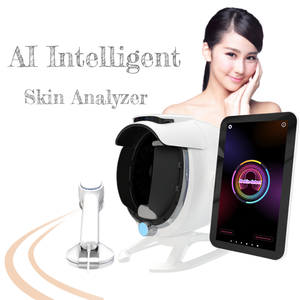
AI Magic 3d Mirror Facial Scanner Analizador De Piel Acne Skin Analysis Full Face Scanner Testing Skin Analyzer Machine
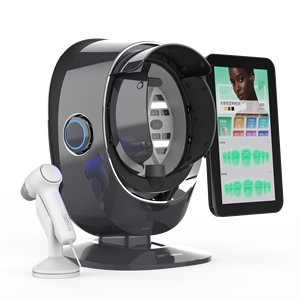
2026 Newest 3D Ai Intelligent Digital K57 Skin Analyzer Face Head Analysis Skin Color Testing Health Diagnosis Machine
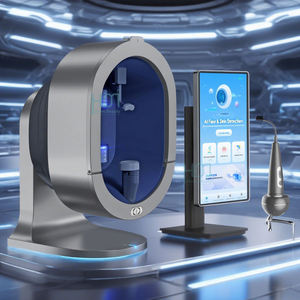
AI Multi Spectrum Face Scalp Scan Real Time Report Output Beauty Salon Clinic Skin Diagnosis Equipment Skin Image Analyzer
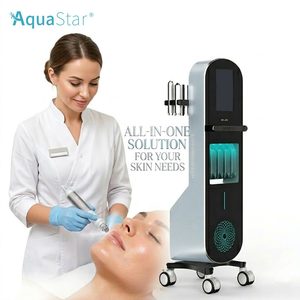
Aqua Star 2026 Professional Hydrodermabrasion Machine 10-in-1 Oxygen Jet Facial Device For Deep Pore Cleaning Acne Removal
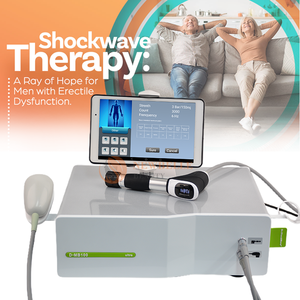
Professional Maquina De Terapia De Ondas De Choque 3D Skin Analyzer Facial Scanner Machine Skin Diagnostic Detection Test Device
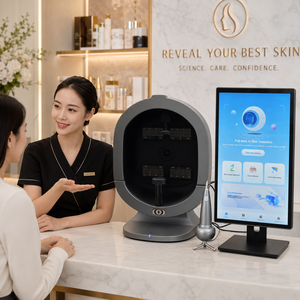
X5PRO 9-Spectral AI Facial Skin Analyzer Machine for Face Moisture Pores Wrinkles UV Spot Analysis US/EU Compatible Commercial
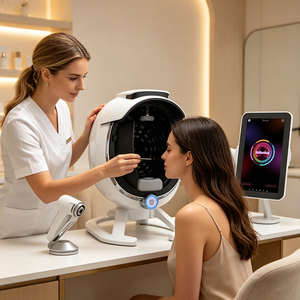
2026 Newest A6 3D Facial Scanner Skin Analyzer 8 Spectrum AI Skin Analysis Machine For Blackheads And Pores Depth Detection
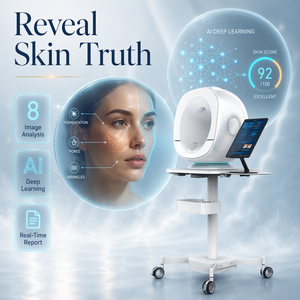
All in One Facial Skin Analyzer Machine 3D Camera 4 Spectra 8 Intelligent Images AI Analysis 30 Plus Detection Dimensions Clinic
Engineering Excellence in CE Certified Skin Diagnostic Instrumentation
In the rapidly evolving landscape of clinical dermatology, aesthetic medicine, and pharmaceutical cosmetic R&D, the transition from subjective visual scoring to objective, quantitative bio-optical measurement represents a paradigm shift. Modern aesthetic practices require empirical precision to validate therapeutic outcomes, optimize treatment protocols, and enhance patient retention. As premier CE certified aesthetic skin diagnostic system suppliers and exporters, our manufacturing standards align with stringent European Medical Device Regulations (MDR EU 2017/745) and ISO 13485:2016 quality management systems.
Advanced skin diagnostic systems utilize proprietary combinations of photometric stereo reconstruction, multi-spectral reflectance imaging, and deep neural network (DNN) spatial segmentation algorithms. By acquiring high-resolution surface topography alongside multi-depth sub-surface chromatic profiles, these instruments yield reproducible metrics for wrinkle volumetric depth ($\mu m$), melanin spatial density, hemoglobin distribution mapping, and follicular porphyrin fluorescence.
Conventional skin cameras rely on flat 2D ambient RGB photographs, which suffer from variable ambient lighting, flash shadows, and subjective visual interpellation. Clinical-grade 3D diagnostic systems utilize multi-directional illumination vectors combined with cross-polarized spectral filters. By capturing multiple images under sequential, calibrated directional lighting, our photometric stereo algorithms recalculate surface normal vectors for every individual pixel, providing absolute physical height maps with sub-10-micron vertical resolution.
Core Optical Modalities in Diagnostic Systems
To ensure complete clinical diagnostic utility, modern diagnostic scanners integrate multi-spectral light sources spanning specific nanometer wavelengths:
RGB Standard Daylight
Provides true-color baseline photographic capture under 6500K color temperature daylight illumination, establishing initial surface pigmentation and aesthetic baselines.
Cross-Polarized Light
Eliminates specular surface glare from the stratum corneum, enabling light penetration into the epidermal-dermal junction to quantify dermal melanin concentration and vascular erythema.
UV Spectrum (365nm)
Induces porphyrin fluorescence generated by Propionibacterium acnes bacteria and reveals hidden sub-surface UV spots, actinic damage, and dyschromia not visible to the naked eye.
Parallel Polarized Light
Enhances surface specular reflection to magnify micro-relief topography, fine lines, structural pore dimensions, and epidermal smoothness variations.
Wood's Light Emulation
Simulates traditional dermatological Wood's lamp examination for accurate identification of fungal infections, epidermal vs. dermal melasma localization, and lipid distribution.
Infrared & Red Light (630nm)
Evaluates deeper micro-vascular capillary dilation, subterranean inflammation networks, and tissue oxygenation profiles across various Fitzpatrick skin types.
Why Global Distributors & Medical Clinics Partner With Us
Building upon over 15 years of precision optical instrumentation expertise, our manufacturing infrastructure delivers unparalleled quality control, compliance documentation, and enterprise white-label solutions.
CE & International Certification
All skin diagnostic platforms carry complete CE Mark, LVD, EMC, and RoHS documentation. Fully compliant with EU Medical Device Regulations, ensuring seamless Customs clearance across Europe, North America, LATAM, and Asia-Pacific regions.
OEM / ODM Customization Solutions
We provide full-scope OEM hardware tailoring, custom chassis design, branded UI/UX software overlays, localized language packs, and custom optical sensor integration for global aesthetic brands and franchised clinic chains.
Cloud AI Engine & SDK Integration
Empower your platform with our REST APIs and Windows/Android SDKs. Securely synchronize diagnostic patient reports to Electronic Health Record (EHR) systems, cloud databases, and HIPAA/GDPR-compliant servers.
Precision Factory Calibration
Every device undergoes rigorous optical sphere alignment and color temperature calibration using NIST-traceable reference standards, guaranteeing <1.5% measurement variance between production runs.
Lifecycle Support & Global Logistics
Supported by direct air-freight logistics, 2-year enterprise hardware warranties, lifetime software algorithms updates, and 24/7 technical engineering consultation for seamless global operations.
Clinical Validation & CRO Support
Our software metrics are validated against thousands of clinical histology samples, providing Contract Research Organizations (CROs) with empirical proof for topical efficacy claims and laser therapy tracking.
Future Procurement & Technological Trends in Aesthetic Diagnostics
As global demand for non-invasive cosmetic procedures surges—projected to surpass $35 Billion by 2028—the standard of care in aesthetic consultation is shifting dramatically. Procurement directors, medical equipment buyers, and clinic chain operators must align hardware procurement with long-term technological evolution.
| Diagnostic Generation | Core Imaging Technology | Primary Diagnostic Capability | Clinical & Commercial Value |
|---|---|---|---|
| Legacy Systems (2015-2020) | 2D RGB Standard Cameras & Basic Magnification Lamps | Qualitative visual assessment, manual skin typing | Low baseline investment; high subjectivity and outcome dispute risk. |
| Current Standard (2021-2025) | Multi-Spectral (RGB/UV/Polarized) + 3D Photometric Stereo | Quantitative wrinkle depth, porphyrin counting, vascular/melanin separation | High patient trust; verifiable before/after conversion; baseline for med-spas. |
| Next-Gen Future (2026+) | AI Neural Sub-Surface Mapping + Hyperspectral Deep Scanning | Predictive biological aging models, automated treatment plan generation, real-time telemetry | Maximum ROI; integration with robotic lasers, personalized skincare formulation software. |
Key Drivers Shaping Sourcing Decisions:
- Integration of Generative AI Aging Simulations: Modern patients expect interactive visualization. Diagnostic devices in 2026+ leverage generative adversarial networks (GANs) trained on vast dermatological image banks to accurately project 3 to 5-year skin aging trajectories under untreated vs. post-treatment conditions.
- Democratization of Multi-Spectral Scalp & Hair Analysis: Trichology integration is now a mandatory feature. Diagnostic platforms must seamlessly transition from facial skin surface analysis to follicular unit density, sebum composition, and scalp vascularity scoring.
- Compliance with European Medical Device Regulation (MDR): Importers in the EU face strict regulatory scrutiny. Sourcing non-CE certified or non-MDR compliant hardware carries severe legal and operational risks. Certified suppliers provide complete technical files, Declaration of Conformity (DoC), and safety testing protocols.
- SaaS-Driven Revenue Models & EHR Compatibility: Diagnostic scanners are no longer isolated hardware units; they serve as central data hubs. Modern systems must support cloud client management, automated treatment proposal generation, and multi-location clinic dashboard synchronization.
Frequently Asked Questions (FAQ)
Essential insights for medical device buyers, importers, clinic managers, and B2B procurement officers.
Partner with a Trusted Global OEM/ODM Exporter
Whether you are a medical equipment distributor seeking exclusive regional distribution rights, a pharmaceutical CRO requiring validated skin diagnostic equipment, or a med-spa chain expanding your clinical standards—our team is ready to support your requirements.