
CE Certified Skin Analysis & Diagnostic Machinery
High-precision multi-spectral skin barrier analyzers, 3D facial scanners, and clinical verification systems engineered by world-class manufacturers.
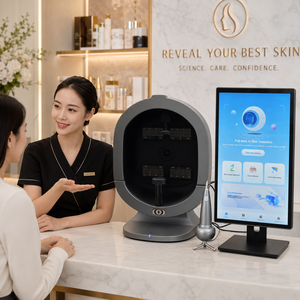
X5PRO 9-Spectral AI Facial Skin Analyzer Machine for Face Moisture Pores Wrinkles UV Spot Analysis
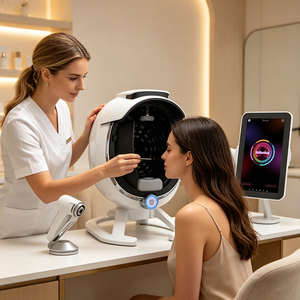
2026 Newest A6 3D Facial Scanner Skin Analyzer 8 Spectrum AI Skin Analysis Machine For Blackheads
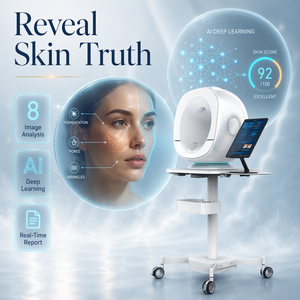
All in One Facial Skin Analyzer Machine 3D Camera 4 Spectra 8 Intelligent Images AI Analysis
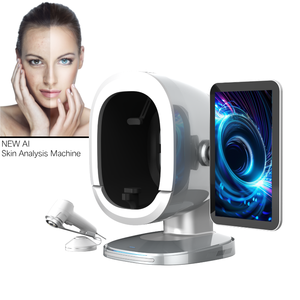
Newest 3D AI Intelligent Skin Analyzer Face Scanner Skin Analysis Machine Supporting 19 Languages
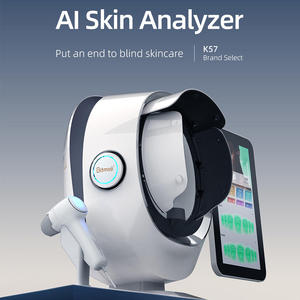
High Quality Portable Facial Analysis Skin Monitor Analyzer 3D Digital Skin Analyzer Machine

Newest X3-pro-Skin-Analyzer Facial Scanner Skin Analyzer For Reseller 25 Languages WiFi Contact
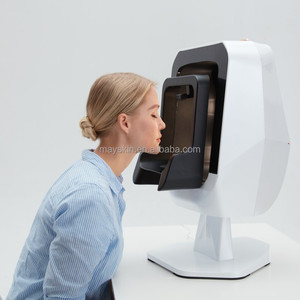
Meicet Mc88 Professional Facial Scanners Smart Skin Analyzer Moisture Tester Face Analyser
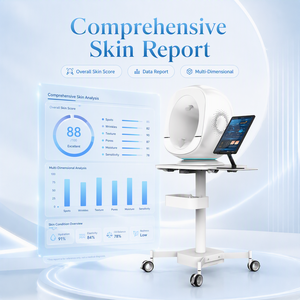
Scientific Research Anti Aging Verification 3D Skin Analyzer Machine 4 Spectra AI 8 Intelligent Images
1. The Science of Quantitative Skin Barrier Function Diagnostics
The human stratum corneum acts as the primary physiological boundary between the internal biological environment and external oxidative stress, environmental toxins, and pathogenic micro-organisms. Accurately quantifying skin barrier integrity—specifically measuring stratum corneum hydration (SCH), transepidermal water loss (TEWL), epidermal lipids, and vascular reactivity—has evolved from a purely academic clinical exercise into a critical requirement for cosmetic formulation R&D, dermatological therapeutics, and high-end aesthetic medicine.
Historically, evaluating barrier damage relied upon invasive biopsies or subjective visual scaling. Modern medical diagnostic devices manufactured by ISO 13485 certified facilities utilize advanced non-invasive optical modalities. By integrating Photometric Stereo Imaging with multi-spectral light-emitting diode (LED) illumination (encompassing standard RGB, Cross-Polarized, Parallel-Polarized, and UV/Wood's light spectra), specialized devices can capture high-resolution dermal topographies down to micrometric surface variations.
Photometric Stereo 3D Topography
Reconstructs precise 3D elevation maps of the epidermal surface to calculate surface roughness parameters (Ra, Rz) and pore volume indicators without touching the tissue.
Spectral Chromophore Mapping
Deconvolutes spectral reflection into separate concentration maps of hemoglobin (erythema and inflammation) and melanin (hyperpigmentation and UV damage).
Barrier Moisture & Lipid Metrics
Correlates subsurface optical scattering with epidermal moisture levels to predict sub-clinical barrier compromise before physical scaling occurs.
Leading manufacturers listed in this directory work in close alignment with research benchmarks established by pioneers like Miravex Limited (creators of the Antera 3D® system). By standardizing illuminant color temperatures and spatial camera calibration, current generation CE-marked skin analyzers allow Contract Research Organizations (CROs) and aesthetic doctors to prove cosmetic efficacy with mathematically reproducible metrics.
2. Future Procurement Trends in Dermatological Diagnostic Machinery (2026–2030)
As global regulatory bodies (including the European Medicines Agency and US FDA) tighten scrutiny over cosmetic claims and medical aesthetic equipment, B2B buyers must navigate significant shifts in diagnostic technology procurement. Purchasing agents, clinical directors, and equipment distributors must align their supply chain strategies with several prevailing trends:
A. AI-Driven Algorithmic Synthesis & Longitudinal Predictive Modeling
Next-generation skin diagnostic hardware is no longer evaluated solely on optical sensor hardware. Hardware platforms must be paired with machine-learning algorithms trained on millions of clinical skin profiles. Procurement leads are demanding systems that offer automated feature tracking—enabling software to automatically match baseline images with follow-up scans across multi-month clinical trials, compensating for minor patient positioning shifts.
B. Convergence of Portable Point-of-Care Systems and Full-Face Scanners
While full-face cabin systems (such as the 9-spectral X5PRO and A6 3D series) remain essential for standardized clinical documentation, there is surging demand for handheld, portable photometric devices. Clinics require versatile tools that can transition between facial consults and localized body treatments (e.g., post-laser wound healing monitoring or eczema barrier restoration analysis).
| Diagnostic Feature | Legacy Systems (Pre-2022) | Modern CE Systems (2024-2026) | Next-Gen Standard (2026+) |
|---|---|---|---|
| Optical Spectrum | Standard RGB + Single UV Filter | 4 to 9-Spectral LED Arrays | Hyperspectral Multi-Band Fusion |
| 3D Surface Resolution | 2D Estimation / Basic Shadowing | Photometric Stereo (40-60 μm) | Sub-30 μm Volumetric Mapping |
| Barrier Correlation | Qualitative Visual Scoring | Semi-quantitative Moisture Scales | Direct Correlation to TEWL (g/m²/h) |
| Compliance Standard | General CE (LVD/EMC) | CE Medical Device Directive / MDR | MDR 2017/745 & HIPAA/GDPR Cloud Sync |
C. Cloud API Integration & EMR Interoperability
Global skincare brands and large clinic chains require seamless data pipelines. Suppliers offering open REST APIs and software development kits (SDKs) to push diagnostic metrics directly into Electronic Medical Records (EMR) or CRM platforms are rapidly capturing market share over legacy closed-loop hardware vendors.
3. B2B Sourcing Guide: Evaluating CE Certified Factories & Suppliers
When selecting an OEM/ODM manufacturing partner for skin barrier diagnostic equipment, sourcing managers must conduct rigorous audits that extend beyond unit cost. The following criteria represent the benchmark for qualified B2B supplier verification:
- CE Marking & EU MDR Compliance: Ensure the manufacturer provides valid Certificate of Conformity documents issued by a recognized European Notified Body. Devices intended for diagnostic clinical claims must comply with Medical Device Regulation (EU) 2017/745 or meet directive requirements for quantitative skin monitoring.
- ISO 13485:2016 Certification: Facilities must operate under a comprehensive Quality Management System tailored specifically for medical device manufacturing, covering cleanroom assembly, optical lens alignment, and electrical safety testing.
- Optical Calibration Standards: Reliable factories utilize integrating sphere testing setups and standardized phantom skins to calibrate every camera sensor and LED array prior to factory release, preventing spectral drift over time.
- SDK & Multi-Language Localization: Professional suppliers offer software localization in over 15 to 25 languages and provide customizable UI branding for enterprise clients.
Frequently Asked Questions (FAQ) for B2B Buyers
Expert answers regarding factory certifications, optical diagnostic technicalities, and enterprise procurement requirements.
What is the difference between a general cosmetic skin analyzer and a CE certified medical skin barrier diagnostic device?
A general cosmetic skin analyzer typically provides qualitative, relative visual measurements intended for consumer consultation. In contrast, a CE certified medical skin barrier diagnostic device undergoes rigorous clinical validation and electrical/optical safety auditing. It yields mathematically reproducible, quantitative metrics for parameters like stratum corneum hydration, dermal roughness, and hemoglobin concentration, making it legally compliant for clinical trials, pharmaceutical claims, and medical dermatology practice.
How does photometric stereo technology measure skin surface roughness and barrier integrity?
Photometric stereo technology illuminates the skin from multiple sequential directions using calibrated LED light sources while capturing images from a fixed camera position. By calculating light reflection and shadows at each pixel, proprietary algorithms reconstruct the exact 3D orientation of micro-surface normals. This generates fine 3D elevation maps used to calculate volumetric pore depth, wrinkle severity, and micro-texture breakdown indicative of compromised barrier function.
Can these factory devices be integrated with enterprise skincare CRM software or proprietary algorithms?
Yes. Leading OEM/ODM suppliers featured in this directory provide comprehensive Software Development Kits (SDKs) and RESTful API endpoints. This enables corporate buyers to stream raw spectral image files, calibrated color data, and quantitative parameter scores directly into their proprietary diagnostic software, mobile applications, or centralized cloud databases.
What MOQ (Minimum Order Quantity) and OEM customization services are available for global distributors?
MOQ options vary based on the level of customization. Standard private-label housing (custom logo printing and localized software UI) typically starts at 5 to 10 units. Complete custom hardware engineering—such as specialized optical filters, bespoke camera enclosures, or proprietary LED spectral configurations—generally requires an initial run of 50 to 100 units depending on the factory partner.
How do factories ensure ambient light interference does not distort diagnostic scans?
High-grade skin analyzer manufacturers design physical optical hoods or enclosed chin/forehead positioning cradles that block ambient room light. Additionally, system software utilizes background subtraction techniques and strobed high-intensity LED flashes synchronized with the camera shutter to isolate diagnostic light signals from external environment noise.
What post-purchase technical support and optical recalibration protocols are provided?
Top-tier suppliers offer comprehensive 2-year to 5-year equipment warranties, remote software telemetry support, and standardized physical calibration targets (grayscale and color matrices). Annual re-calibration can often be performed on-site using automated software calibration routines provided by the factory.
4. Enterprise Manufacturing Strengths & Contract Manufacturing Services
Partnering with verified skin barrier diagnostic suppliers gives healthcare networks, pharmaceutical researchers, and beauty technology brands direct access to advanced optical manufacturing capabilities. Qualified factories provide end-to-end engineering assistance, including:
Precision Cleanroom Assembly
Assembly of CMOS sensors, beam splitters, and polarized light filters inside Class 10,000 dust-free cleanrooms to prevent optical distortion.
Custom Spectral Engineering
Tailored LED array configurations across specific narrowband wavelengths (e.g., 365nm UV, 540nm Hemoglobin, 570nm Melanin absorption peaks).
Global Regulatory Documentation
Turnkey provision of technical files, EMC/LVD safety test reports, and ISO 10993 biocompatibility testing for patient-facing contact surfaces.
By leveraging certified manufacturing partners, enterprise clients can accelerate time-to-market while reducing R&D overhead for complex electro-optical skin measurement hardware.