
Featured Advanced Skin Pigmentation Analyzers
Clinical-grade diagnostic hardware engineered with multi-spectral light modalities, AI facial recognition, and deep dermal pigment mapping algorithms.

Newest 3D AI Intelligent Skin Analyzer Face Scanner Support 19 Languages

Bitmoji AI Skin Analyzer 2026 Black Digital K57 Pigmentation Scanner
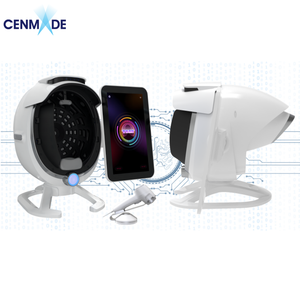
3D Digital Skin Wrinkle & Pigmentation Diagnostic Beauty Machine

Most Advanced Mirror Skin Analysis Machine Portable 3D Scanner

BOWKET AI Smart Tri-Spectrum Scalp & Skin Analyzer with 14-inch Screen

Clinical Facial Skin Analyzer 4 Spectra 8 Intelligent Images 30+ Detection
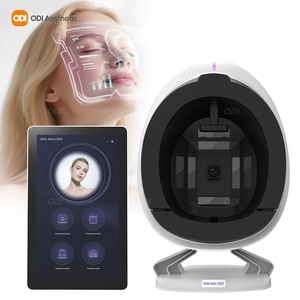
Facial Scanner AI Skin Deep Analysis Device with 3D Microscope Scanner
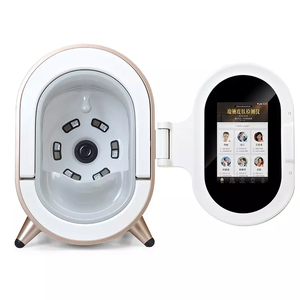
High-End Advanced Facial Scanner & Pigmentation Diagnostic System
1. Technical Deep-Dive: The Evolution of Skin Pigmentation Diagnostics in China
The global dermatological and medical aesthetics market has undergone a paradigm shift from qualitative visual observation to quantitative, pixel-level optical diagnostic systems. At the center of this transformation are advanced skin pigmentation analyzers manufactured in China—devices that combine multi-spectral imaging, polarized light manipulation, photometric stereo topography, and deep-learning neural networks to assess hyperpigmentation, melasma, vascular erythema, and sub-dermal sun damage.
Historically, facial diagnostic devices relied on simple RGB (Red-Green-Blue) standard white light illumination coupled with basic magnification lenses. While effective for surface-level acne and macroscopic pores, RGB light fails to penetrate the stratum corneum to measure deeper chromophores such as melanin and hemoglobin. Modern skin analyzers engineered by leading Chinese original equipment manufacturers (OEMs) now standardly deploy cross-polarized, parallel-polarized, UV fluorescence (365nm Wood's light spectrum), and RBX®-style separation algorithms.
Tri-Polarization Optical Array
Eliminates surface specular glare. Cross-polarization reveals dermal melanin clusters, while parallel-polarization highlights epidermal surface texture and micro-wrinkles with clinical fidelity.
UV 365nm Fluorescence Mapping
Excites porphyrins produced by Cutibacterium acnes and highlights invisible latent UV spots trapped in the basal layer prior to surface manifestation.
Photometric Stereo 3D Mapping
Calculates 3D surface elevation profiles to isolate pigmentation variations from skin roughness, volume loss, or shadowing artifacting.
Understanding Optical Chromophore Separation (Melanin vs. Hemoglobin)
The primary challenge in analyzing skin discoloration lies in separating the spectral absorbance signature of epidermal/dermal melanin from sub-dermal vascular structures containing oxyhemoglobin and deoxyhemoglobin. Advanced Chinese pigmentation analyzer manufacturers utilize mathematical matrix transformations on multi-spectral image captures:
By capturing skin under calibrated narrow-band wavelengths (e.g., 520nm for blood vessel absorption and 580nm/660nm for melanin linearity), the software computes a discrete Melanin Index (MI) and Erythema Index (EI) for every single pixel. This allows clinical dermatologists to differentiate between Post-Inflammatory Hyperpigmentation (PIH), Vascular Melasma, Telangiectasia, and Solar Lentigines.
2. Diagnostic Modality Matrix: Clinical vs. Aesthetic Benchmarks
When evaluating skin diagnostic hardware from tier-1 Chinese manufacturers, B2B procurement specialists and medical directors must examine optical specs, image resolution, software algorithms, and quantitative diagnostic capabilities.
| Diagnostic Modality | Optical Light Source | Target Pigment / Condition | Penetration Depth | Clinical Significance |
|---|---|---|---|---|
| RGB Standard White | Diffuse LED (5500K True Color) | Surface freckles, macules, skin tone uniformity | Epidermis (0.0mm - 0.1mm) | Baseline aesthetic visual registration and color matching. |
| Cross-Polarized (PL) | Linear Polarizing Filter Array | Sub-surface dyschromia, brown spots, deep freckles | Dermo-Epidermal Junction (0.2mm) | Removes surface glare to map true melanin concentration without reflection bias. |
| UV Fluorescence | Narrowband UV LED (365nm - 370nm) | Latent sun damage, porphyrin deposition, dyspigmentation | Basal Layer & Upper Dermis | Predicts future pigment spots up to 3–5 years before surface emergence. |
| 3D Surface Topography | Directional Multi-Angle Lighting | Atrophic acne scars, fine lines, texture roughness | Surface Topography | Quantifies volume restoration and skin smoothing post-laser therapy. |
| Spectrophotometric (Colorimeter) | Integrating Sphere Spectrometer | CIE L*a*b* color space, Melanin/Erythema Index | Micro-localized Dermis | Provides absolute numerical values (ISO standard) for clinical trials and efficacy verification. |
3. Global Procurement Trends: 2026–2030 OEM & ODM Supply Chain Shifts
As the international aesthetic medical market expands, B2B purchasing agents, medical spa franchises, and cosmetic brand conglomerates are adjusting their procurement strategies when sourcing hardware from China. Below are the four macro trends shaping B2B manufacturing and custom equipment supply chains:
1. AI Cloud Diagnostic Ecosystems
Modern buyers no longer seek standalone hardware devices. The demand has shifted toward skin analyzers featuring embedded Android/Windows microprocessors that sync patient images seamlessly with cloud-based diagnostic databases. Chinese manufacturers are deploying proprietary deep-learning algorithms trained on millions of multi-ethnic skin profiles to deliver automated diagnostic reports in under 15 seconds.
2. Multi-Ethnic Fitzpatrick Scale Calibration
Legacy skin analyzers often exhibited diagnostic bias when scanning darker skin tones (Fitzpatrick Types IV–VI) due to incorrect light intensity thresholding. Leading Chinese manufacturers now integrate adaptive smart LED illumination systems that auto-calibrate optical flux based on localized skin melanin density, ensuring equal diagnostic precision across all global demographics.
3. Modular Software API Integration
Cosmetic brands and chain clinics require custom software interfaces (GUI) that recommend specific skincare formulas, laser treatments, or chemical peels based on quantitative skin scores. Modern OEM factories provide white-label software development kits (SDKs) and REST APIs to connect skin analyzer outputs directly to enterprise CRM systems.
4. Rigorous International Compliance
Global compliance is paramount. Tier-1 Chinese manufacturers now build production lines under ISO 13485 (Medical Devices Quality Management Systems), obtaining Medical CE marks, RoHS environmental standards, and FDA 510(k) clearances to streamline international customs clearance and hospital deployment.
4. Strategic Advantages of Partnering with Leading Chinese Manufacturers
The original technological foundation established by global pioneers—such as the clinical photometric stereo methodologies seen in Miravex Antera 3D® systems—has been industrialized and expanded by China’s high-tech manufacturing hubs in Shenzhen, Guangzhou, and Beijing. By combining high-precision optical engineering with agile supply chains, Chinese manufacturers deliver distinct competitive edges for global distributors:
- Unrivaled Cost-to-Performance Ratio: Access high-resolution optical hardware (15MP to 36MP high-grade CMOS sensors) and multi-spectral light engines at a fraction of Western production costs, enabling higher profit margins for international distributors.
- Comprehensive OEM/ODM Customization: Factories offer full turnkey services—ranging from custom industrial mold tooling, aluminum chassis design, custom housing color schemes, to personalized software branding and localized multi-language UI translation.
- Rigorous Quality Control & Optical Calibration: Medical-grade factories utilize integrating spheres and spectral reference standards to ensure every unit shipped maintains identical color temperature (CIE D65), lighting homogeneity, and focal plane repeatability.
- Proven Scientific Backing: Chinese-manufactured diagnostic systems are increasingly utilized in peer-reviewed clinical research, contract research organizations (CROs), and cosmetic validation labs to back product claims for whitening, anti-pigmentation, and anti-aging topicals.
Looking for Factory-Direct Custom OEM/ODM Solutions?
Connect directly with our engineering team to request detailed hardware specifications, SDK documentation, minimum order quantities (MOQ), and wholesale pricing catalogs.
5. Comprehensive B2B Procurement FAQ: Skin Pigmentation Analyzers
PL (Polarized Light / Cross-Polarization) uses optical filters aligned at 90-degree angles to block surface specular reflections, allowing light to penetrate into the upper papillary dermis to isolate brown pigment spots, melasma, and micro-vascular redness.
UV Light (365nm Wood's Spectrum) excites skin fluorophores. It reveals porphyrin secretions (acne bacteria) and sub-surface melanin accumulations that are not yet visible to the human eye, providing early diagnostic capability for preventative skin treatments.
- Hardware OEM: Custom chassis silk-screen logo printing, custom exterior paint colors, custom packaging box design, and tailored unit dimensions.
- Software ODM: Custom startup loading screens, branded diagnostic PDF reports, custom product recommendation algorithms, and localized UI translation in over 19 languages.
6. Conclusion: Strategic Procurement Strategy for Aesthetic Brands
Selecting the optimal skin pigmentation analyzer manufacturer in China requires balancing optical precision, algorithmic depth, regulatory compliance, and OEM flexibility. Modern multi-spectral 3D skin scanners empower cosmetic brands, dermatology clinics, and aesthetic distributors to establish quantitative trust with end-users, scientifically validate treatment outcomes, and accelerate sales conversions through objective data analysis.
Partnering directly with established manufacturing leaders ensures direct technical support, continuous software innovations, and highly competitive B2B pricing structures tailored for scalable commercial success.