
Featured Facial Moisture & Oil Diagnostic Analyzers
Explore our top-tier export-grade skin analysis systems engineered for aesthetic clinics, cosmetic R&D labs, and beauty distributors worldwide.

The Paradigm Shift in Quantitative Skin Hydration & Sebum Diagnostics
Analyzing the technological convergence of Bioelectrical Impedance Analysis (BIA), multi-spectral optical topography, and deep-learning neural networks in modern dermatological procurement.
1. Understanding Stratum Corneum Hydration Metrics
In modern clinical dermatology and commercial cosmetic evaluation, measuring the moisture and lipid balance of the human face is no longer restricted to subjective physical examination. The stratum corneum—the outermost layer of the epidermis—acts as the primary barrier against transepidermal water loss (TEWL) and environmental stressors. Accurate quantification of water content (hydration) and sebum output (oiliness) provides vital scientific baseline data for skincare product formulation, aesthetic therapy verification, and clinical research.
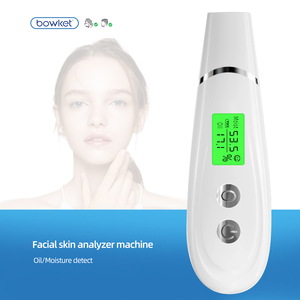
Leading Chinese diagnostic hardware manufacturers have scaled up the production of high-precision skin analyzers using advanced bioelectrical impedance analysis (BIA) alongside multi-spectral digital imaging. By applying ultra-low micro-currents through gold-plated bio-sensors, these devices calculate dielectric constant shifts in epidermal tissue, delivering objective numerical moisture ratios in seconds.
2. The Convergence of Hardware Micro-Sensors and Cloud AI
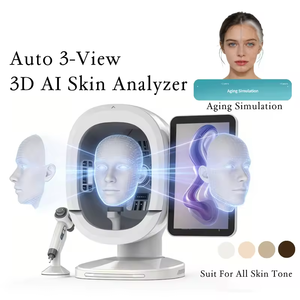
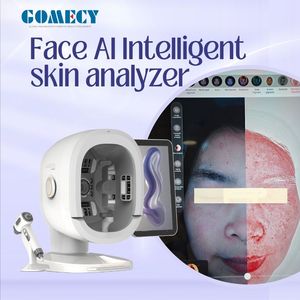
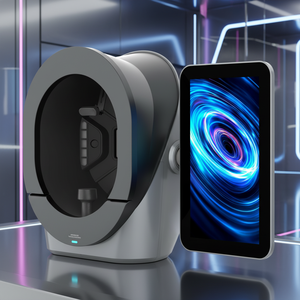
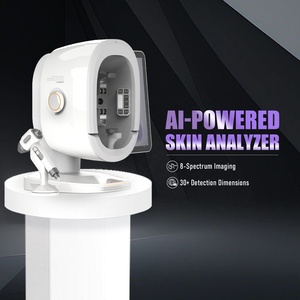
Historically, facial moisture testers were limited to single-point handheld contact probes. Today's commercial beauty ecosystem demands holistic diagnostic systems. The integration of 15.6-inch ultra-HD touchscreens, 36-million pixel optical cameras, and multi-spectral lighting arrays (RGB standard, Cross-Polarized, Parallel-Polarized, UV, and Wood’s Lamp illumination) allows current devices to analyze surface moisture alongside deep-layer pigmentation, vascular pore congestion, and sebum spectrums simultaneously.
Core Sensor Technologies Engine in Chinese Analyzer Factories
An engineering analysis of how Chinese manufacturing hubs produce clinical-grade moisture and oil sensors at scale.
Bio-Impedance Spectroscopy (BIS)
Utilizes dual-frequency micro-current sensor tips to measure skin capacitance and conductance. High moisture levels conduct electricity more efficiently, providing precise relative percentage readings of epidermal hydration levels without breaking skin barrier integrity.
Multi-Spectral UV/PL Optical Imaging
Complements impedance probes by capturing optical reflections under UV fluorescence. UV light excites porphyrins produced by Cutibacterium acnes, rendering sebum distribution visible as bright spots for algorithmic quantification.
3D Photometric Surface Topography
Derived from clinical 3D imaging technology, photometric stereo algorithms reconstruct the micro-relief of the facial skin. This measures desquamation (dry flaking) and fine wrinkle depth associated with moisture depletion.
| Diagnostic Category | Measurement Parameter | Primary Sensor / Optical Technology | Clinical / OEM Application |
|---|---|---|---|
| Hydration Index (%) | Stratum Corneum Capacitance | Gold-Plated Bio-Electrical Probe (BIA) | Handheld Testers & Integrated Analyzer Systems |
| Oiliness / Sebum Level | Surface Lipid Layer & Porphyrin Density | UV Fluorescence Spectrum + Optical Absorption | Aesthetic Consultation & Counter Sales |
| Barrier Roughness | Micro-relief Depth & Desquamation | Cross-Polarized 3D Topography Mapping | Clinical Efficacy Testing & CRO Research |
| Full Facial Mapping | 36 Million Vector Points Analysis | Deep Learning Convolutional Neural Networks (CNN) | High-End 15.6" Desktop Tower Systems |
Future Procurement Trends in Facial Moisture & Oil Testing Equipment
Key technological trajectories shaping global sourcing decisions for cosmetic brands, medspas, and hardware importers over the next five years.
AI Cloud Ecosystems & SaaS Integration
B2B buyers are moving away from standalone, offline hardware. Next-generation RFPs require cloud-synchronized software, custom branded iOS/Android apps, and CRM API integration to store client diagnostic history and automate product recommendations.
Micro-Miniaturization & Wireless IoT
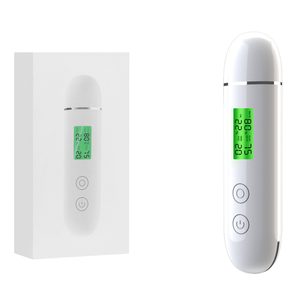
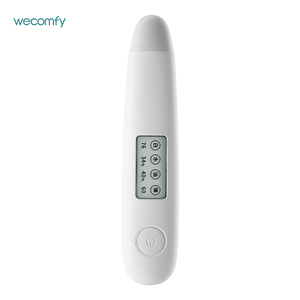
Compact, Bluetooth-enabled micro-analyzers (such as pen-style BIA sensors) are gaining popularity for direct-to-consumer skincare kit bundling. Brands order these in high volumes to boost cross-selling and drive post-purchase engagement.
Multi-Spectrum All-in-One Stations
Medical aesthetic clinics are consolidating space by sourcing multi-functional skin analyzers that combine moisture sensing, oil spectrum analysis, wrinkle depth measurement, and pigmentation mapping within a single ergonomic workstation.
Democratization of Quantitative Diagnostics
With Chinese OEMs lowering manufacturing costs through automated SMT lines and high-yield optical assembly, clinical-grade skin diagnostics are expanding beyond high-end dermatology practices into mid-tier salons and retail counters.
Frequently Asked Questions for Global Buyers
Essential technical and commercial insights for sourcing facial skin analyzer hardware directly from Chinese factories.
Why Partner With Chinese OEM/ODM Diagnostic Manufacturers?
Combining clinical research standards with scalable, high-precision electronic manufacturing infrastructure.
Clinical Precision R&D
Our engineering team includes optical physicists, bio-electric sensor specialists, and AI software developers. We continuously refine algorithm models using extensive dermatological imaging datasets to ensure high diagnostic precision.
ISO 13485 Cleanroom Assembly
All optical modules and circuit boards are assembled in dust-free cleanroom environments. Each analyzer undergoes strict burn-in testing, optical spectrum calibration, and 100% sensor accuracy verification before shipping.
Scalable Supply Chain & Direct Shipping
Located in China's high-tech manufacturing corridors, our facilities support high-volume production with short lead times. We offer flexible drop-shipping, customized OEM branding, and responsive global technical support.
Elevate Your Skincare Brand & Aesthetic Clinic Operations Today
Connect with our B2B procurement team to receive factory-direct wholesale pricing, OEM/ODM customization brochures, and full technical specifications for our complete line of facial moisture and oil analyzers.