
Featured Clinical Skin Diagnostic Systems
Explore top-tier facial scanners and 3D skin analyzers engineered for dermatological precision, cosmetic validation, and clinical consultations.
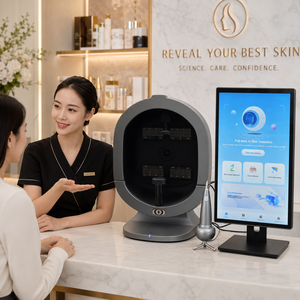
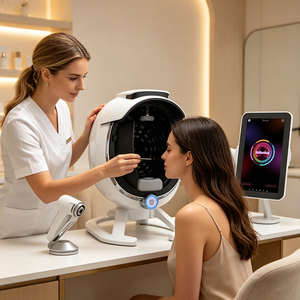
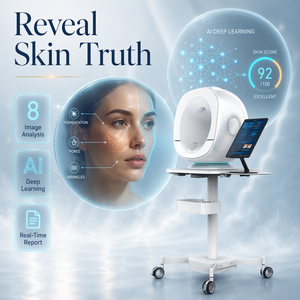
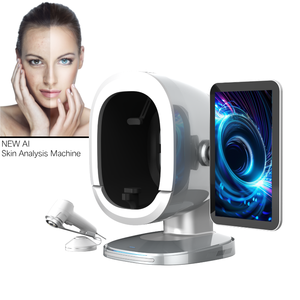
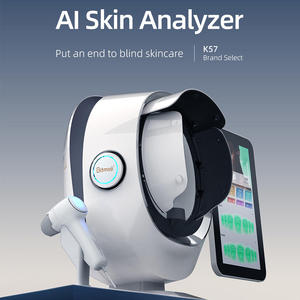

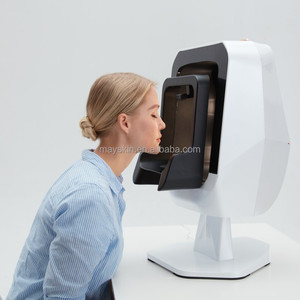
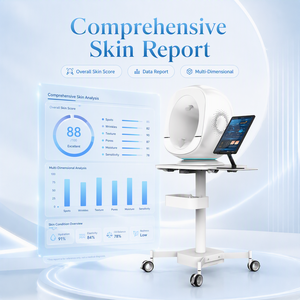
1. Strategic Imperative: The Shift to Quantitative Skin Diagnostics in Aesthetic Medicine
The global medical aesthetics and clinical dermatology market has undergone a fundamental paradigm shift. Subjective visual assessments and qualitative physical examinations are no longer sufficient to meet the expectations of modern aesthetic patients or the rigorous standards of clinical research organizations (CROs). Today’s patients demand objective proof—data-driven baseline measurements and mathematically validated treatment progress.
High-precision skin detectors (also referred to as 3D facial scanners, skin analyzers, and optical dermatological imaging systems) serve as the vital diagnostic bridge between initial patient consultations and targeted therapeutic interventions. Whether quantifying micro-wrinkle depth, sub-surface vascular inflammation, epidermal hyperpigmentation, or porphyrin distribution, advanced multi-spectral skin detectors provide actionable metrics that drive high-margin procedure adoption and enhance client retention.
Information Gain Key Takeaway: Modern clinical skin analyzers do not merely capture facial photography; they apply advanced photometric stereo algorithms, polarized light separation, and neural network deep learning to isolate skin chromophores (melanin and hemoglobin) and map surface topography in sub-millimeter detail.
Objective Quantification
Converts qualitative skin conditions into repeatable numerical scores (Ra, Rz, chromophore density) for clinical trial and treatment tracking.
Multi-Spectral Isolation
Utilizes RGB, Cross-Polarized, Parallel-Polarized, and UV spectra to visualize deep dermal damage prior to surface manifestation.
Higher Consultation Conversion
Clinics utilizing standardized 3D visual analysis report a 35% to 52% increase in patient conversion for lasers, injectables, and chemical peels.
2. Benchmark Evaluation: Top 10 Aesthetic Clinic Skin Detector Manufacturers & Suppliers
Selecting the optimal skin detector requires evaluating optical performance, software capability, multi-spectral lighting reliability, and long-term maintenance costs. Below is an authoritative comparative matrix evaluating the top international manufacturers and OEM suppliers dominating the commercial medical aesthetic space in 2026.
| Manufacturer / Brand | Primary Technology | Key Spectral Modes | Target Clinical Segment | Key Strength |
|---|---|---|---|---|
| Miravex Limited (Antera 3D®) | Photometric Stereo Imaging | Multi-Spectral LED (RGB, NIR, Custom) | Pharma R&D, CROs, Premium Dermatology Clinics | Clinical sub-micron depth precision & quantitative chromophore mapping |
| Canfield Scientific (VISIA®) | Standardized Booth Imaging | RGB, Cross-Polarized, UV Spectrum | High-Volume Aesthetic Practices, MedSpas | IntelliStudio integration & robust comparative database |
| Meicet (Mc88 / Pro Series) | 3D Spatial Imaging + AI | 8 Spectrum Optical Imaging | Commercial Beauty Salons, Chain Clinics | High cost-efficiency, multi-language software ecosystem |
| Observ (Inmode / Sylton) | Fluorescence & Polarized Light | 5-6 Light Modes (Daylight, UV, Woods) | Dermatological Consultation Units | Real-time patient interaction & intuitive visual consultation |
| QuantifiCare (3D LifeViz®) | Stereoscopic 3D Handheld Imaging | 3D Photogrammetry + Flash | Plastic Surgeons, Aesthetic Injectors | Volumetric facial contouring & post-op comparison |
| Courage + Khazaka Electronic | Biophysical Probe Sensors + Camera | Optical Moisture/Sebum Probes | Academic Research, Cosmetic Formulation Labs | Gold standard for biophysical skin parameter verification |
| Bomtech (Skin-Skope) | High-Magnification Digital Optical | Polarized Digital Micro Lens | Korean Dermatology, Cosmeceutical Retail | Micro-pore and scalp/hair follicle detail examination |
| DermLite (Lumio / DL Series) | Dermoscopy Optics | Cross-Polarized Magnification | Clinical Dermatologists, Skin Cancer Screening | Precision handheld diagnostic optics for pigmentary lesions |
| Zemits (DemiStair / Analysis AI) | AI Deep Learning Optical Scanner | Multi-Spectrum Digital RGB/UV | Independent MedSpas, Skincare Specialists | Affordable turnkey packages with treatment pairing software |
| AUPRES / BeautySpectrum | OEM/ODM Modular Hardware | 4-8 Spectrum Customizable Lighting | Global Medical Device Distributors & Brands | Custom white-label hardware engineering & software SDKs |
Deep-Dive OEM & Manufacturer Breakdown
Miravex Limited (Antera 3D®): Headquartered in Dublin, Ireland, Miravex has established itself as the benchmark for scientific rigor. Unlike traditional booth-style scanners that capture global facial photography with ambient illumination variables, the Antera 3D® utilizes proprietary photometric stereo optics. By directing light from multiple angles and analyzing light reflection, it reconstructs 3D surface topography in fractions of a millimeter. It is uniquely capable of accurately quantifying wrinkle depth, fine line volumes, skin roughness (Ra, Rz parameters), and separating melanin and hemoglobin chromophores for published clinical trials.
Canfield Scientific: Known globally for the VISIA system, Canfield excels in client consultation workflows. Their booth systems standardise lighting, positioning, and facial capture, making them highly effective for aesthetic chains looking for consistent branding and client consultation scripts.
Meicet & Asian OEM Innovators: Manufacturers like Meicet have rapidly scaled market share by integrating fast AI cloud analysis algorithms with accessible pricing. Utilizing 8 spectrum optical combinations, these units provide immediate skin age estimation, moisture detection, and pore depth analysis, making high-end skin analysis commercially viable for mid-market beauty clinics.
3. Technical Breakthroughs: Evolution of 3D Skin Detection Technologies
Understanding the technological evolution under the hood is essential for medical directors and procurement officers. Skin analysis technology has evolved through three distinct technical generations:
Generation 1: Standard RGB Digital Photography
Early skin analyzers relied on simple white-light flash photography and basic image cropping. While useful for general baseline imagery, Gen-1 systems suffer from ambient light interference, specular glare, and lack sub-surface diagnostic visibility.
Generation 2: Multi-Spectral & Cross-Polarized Filters
The introduction of cross-polarized and parallel-polarized lens filters allowed skin analyzers to eliminate surface specular reflection. Cross-polarized light penetrates into the upper dermis, revealing vascular erythema, telangiectasia, and deep-seated epidermal melanin that are invisible to the naked eye under ambient light.
Generation 3: Photometric Stereo & AI Chromophore Mapping
The current state-of-the-art—exemplified by systems like the Antera 3D®—combines multi-spectral lighting with advanced photometric stereo algorithms. Instead of relying on a single flat 2D image, Gen-3 systems calculate light reflection vectors across multiple illumination angles. This yields three critical diagnostic capabilities:
- True 3D Topography: Mathematical calculation of skin surface elevation changes, enabling real micro-roughness, pore volume, and wrinkle depth measurement without physical contact or silicone impression molds.
- Spectral Chromophore Concentration Mapping: Based on the modified Beer-Lambert law of optical absorption, Gen-3 algorithms calculate exact concentrations of hemoglobin and melanin, distinguishing vascular inflammation (rosacea, post-acne erythema) from pigmented lesions (melasma, solar lentigines).
- AI Predictive Aging & Treatment Simulation: Machine learning models trained on hundreds of thousands of clinical skin profiles project facial aging trajectories over 3 to 5 years and simulate expected post-treatment outcomes (e.g., fractional laser resurfacing or dermal filler restoration).
4. Future Procurement Trends in Aesthetic Skin Diagnostic Hardware
As aesthetic practices scale and corporate consolidation increases across medical spa networks, procurement managers must evaluate several emerging macro-trends before making capital expenditures:
Cloud Data Architecture & Multi-Clinic Sync
Enterprise procurement now prioritizes centralized cloud databases. Patient skin scans captured at Clinic A must be securely accessible at Clinic B with HIPAA/GDPR-compliant cloud synchronization.
Handheld Ergonomics vs. Fixed Booths
While bulky booth systems remain popular for reception areas, clinical practices increasingly favor handheld, highly portable optical probes (like Antera 3D) that allow localized targeting of specific anatomical zones (periorbital, nasolabial, neck, chest).
Cross-Device Calibration Standards
Pharmaceutical clinical trials demand absolute color and illumination calibration consistency across worldwide trial sites. Automated hardware auto-calibration cards are becoming mandatory in supplier specifications.
Total Cost of Ownership (TCO) Sourcing Guidelines
When requesting quotes and evaluating B2B proposals from manufacturers or OEM suppliers, purchasing agents should look beyond the initial hardware unit cost. Consider the following hidden elements in the Total Cost of Ownership:
- Software Licensing Model: Does the device require an ongoing monthly SaaS subscription for AI image processing, or is it a lifetime software license?
- Calibration & Hardware Warranty: Are optical LEDs rated for 50,000+ hours, and does the vendor provide annual hardware recalibration tools?
- EHR / EMR Software Integration: Can diagnostic reports be exported seamlessly via PDF, DICOM, or RESTful API into existing clinic practice management platforms?
5. Enterprise Engineering & Quality Assurance Standards
Building a world-class skin detector requires tight integration of advanced optical physics, precise mechanical manufacturing, and clinically validated software engineering. Leading manufacturers adhere to strict ISO 13485 medical device quality management standards and invest heavily in scientific validation.
Over 500+ Published Studies
Scientific integrity is paramount. Industry-leading devices are backed by hundreds of peer-reviewed clinical studies across dermatology, cosmetic formulation, and aesthetic surgery.
Global Distribution in 40+ Countries
Established supplier networks provide localized technical support, multilingual software interfaces, and rapid spare-part replacement across North America, Europe, and Asia-Pacific.
15+ Years of Optical Innovation
Continuous algorithmic refinements ensure that hardware systems remain compatible with evolving AI skin diagnostic models and modern cloud infrastructure.
6. B2B Procurement & Clinical Implementation FAQ
Direct answers to frequently asked questions by clinic owners, medical procurement officers, and cosmetic researchers when sourcing professional skin analysis machines.
Q: How does 3D skin analysis improve clinic ROI?
3D skin analysis transforms abstract patient concerns into visual, objective evidence. Clinics utilizing clinical 3D detectors report higher consultation conversion rates (often increasing package sales by 30-50%) because patients can clearly see deep-layer sun damage, vascular issues, and early wrinkling. Furthermore, objective "Before & After" comparisons validate treatment efficacy, boosting client retention and repeat package purchasing.
Q: What is the difference between 2D multi-spectrum analysis and true 3D photometric stereo imaging?
2D multi-spectrum analysis uses filtered light (UV, polarized light) to capture flat photos of pigment or redness. True 3D photometric stereo imaging captures light from multiple physical angles to mathematically reconstruct the surface elevation topography. This allows true measurement of micro-volume changes, wrinkle depth (in millimeters or microns), and skin texture roughness, which flat 2D photography cannot measure.
Q: Is specialized clinical training required to operate these machines?
Modern clinical skin analyzers are designed with intuitive touchscreen interfaces and automated capture scripts. Most aesthetic nurses, medical assistants, and estheticians can master standardized patient scanning within 1 to 2 hours of training. Comprehensive software suites auto-generate patient report cards, simplifying patient communication.
Q: Can skin analysis software integrate with existing clinic practice management systems?
Yes. Top-tier manufacturers support seamless export of diagnostic reports in PDF, JPEG, and DICOM formats. Enterprise-grade platforms also offer cloud network capabilities or custom APIs to attach patient scans directly into Electronic Health Records (EHR) and CRM software.
Q: How often do the optical sensors and LED illumination require recalibration?
High-grade commercial skin detectors utilize solid-state LED arrays with operational lifespans exceeding 50,000 hours. Most systems include optical calibration target cards that allow clinic staff to perform quick zero-point recalibration monthly or quarterly, ensuring longitudinal research-grade precision.
Q: What international regulatory certifications should buyers verify?
Procurement teams should verify compliance depending on their target operating market: CE mark for Europe, FDA registration/clearance for the United States, ISO 13485 quality system certification for medical device manufacturing, and RoHS/FCC compliance for electronic safety.
Ready to Upgrade Your Clinical Diagnostic Capabilities?
Select from our featured product portfolio above or contact our optical specialists today to receive direct manufacturer pricing, ROI documentation, and custom OEM/ODM solutions.