
Featured AI Facial Skin Analyzers & Scanners
Direct-from-factory multi-spectral diagnostic systems engineered for dermatological research, aesthetic clinics, medical spas, and high-end cosmetic brands.
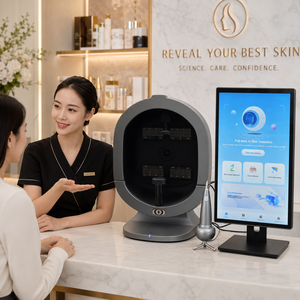
X5PRO 9-Spectral AI Facial Skin Analyzer Machine for Face Moisture Pores Wrinkles UV Spot Analysis US/EU Compatible Commercial
Get a Quote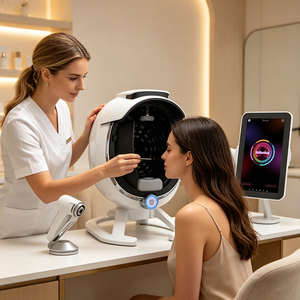
2026 Newest A6 3D Facial Scanner Skin Analyzer 8 Spectrum AI Skin Analysis Machine For Blackheads And Pores Depth Detection
Get a Quote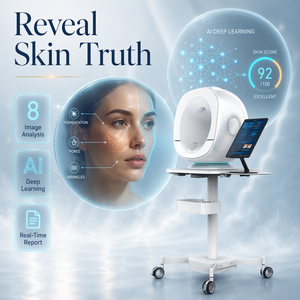
All in One Facial Skin Analyzer Machine 3D Camera 4 Spectra 8 Intelligent Images AI Analysis 30 Plus Detection Dimensions Clinic
Get a Quote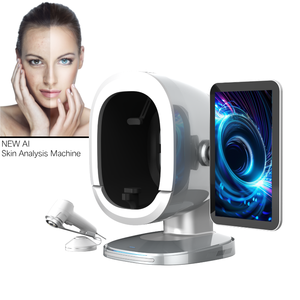
Newest 3D AI Intelligent Skin Analyzer Face Scanner Skin Analysis Machine Facial Tester Scanner Support 19 Languages
Get a Quote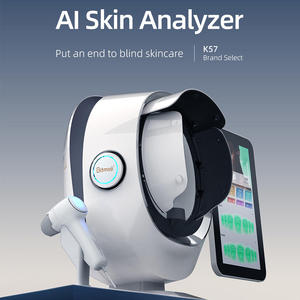
High Quality Portable Facial Analysis Skin Monitor Analyzer 3D Digital Skin Analyzer Machine for Salon
Get a Quote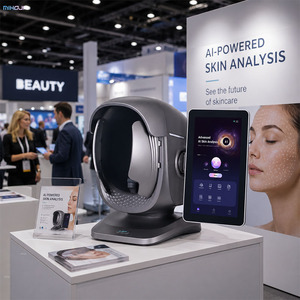
Newest X3-pro-Skin-Analyzer Facial Scanner Skin Analyzer For Resaller 25 Languages X3 Skin Analysis Machine Wifi Contact
Get a Quote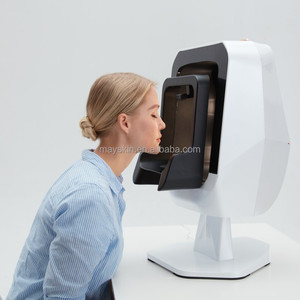
Meicet Mc88 Professional Facial Scanners Beauty Machine Smart Skin Analyzer Moisture Tester Face Skin Analyser for Beauty Salon
Get a Quote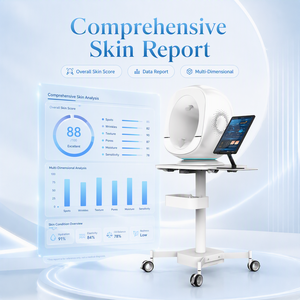
Scientific Research Anti Aging Verification 3D Skin Analyzer Machine 4 Spectra AI 8 Intelligent Images 30 Plus Detection Clinic
Get a QuoteExecutive Summary: The Evolution of Dermatological Diagnostic Hardware in China
The global aesthetic medical market has shifted dramatically from subjective visual evaluations to objective, quantitative micro-dermal imaging. As cosmetic dermatologists, Contract Research Organizations (CROs), and medical spas demand higher precision in tracking treatment efficacy, the role of AI-powered skin analyzers has transitioned from luxury accessories to indispensable diagnostic foundation devices.
China has solidified its position as the premier international hub for advanced optical manufacturing and artificial intelligence integration. By fusing high-density CCD/CMOS optical sensors with proprietary multispectral lighting arrays (ranging from RGB daylight to 365nm UV fluorescence and cross-polarized light filtering), top Chinese manufacturers are pioneering 3D stereoscopic facial mapping platforms that rival legacy European and American systems at a fraction of total cost of ownership.
This comprehensive industry white paper explores the technological architecture, OEM/ODM selection criteria, procurement trends through 2026-2030, and deep optical metrics that B2B buyers must evaluate when selecting a manufacturing partner in China.
Under the Hood: Multispectral Imaging & 3D Surface Topography
Understanding how China’s top skin analyzer manufacturers capture micro-structural dermal data requires examining the physics of light-tissue interaction. Advanced systems utilize up to 9 distinct spectral modes to isolate pigment layers, vascular network structures, and sebum fluorescence.
Cross-Polarized Light Filtering
Eliminates specular reflection from the stratum corneum, allowing deep optical penetration to visualize sub-surface erythema, vascular telangiectasia, and hidden dermal melasma.
UV 365nm Wood's Light Induction
Excites porphyrins excreted by Cutibacterium acnes, causing distinct pink/orange fluorescence. Quantifies active acne risk and deep epidermal damage prior to surface emergence.
3D Photometric Stereo Mapping
Reconstructs exact micro-topography of skin texture, fine lines, deep wrinkles, and pore volume using directional shadow calculation and high-definition surface mesh generation.
Deep Learning CNN Segmentation
Trained on over 30 million annotated clinical facial images, convolutional neural networks segment and score over 35 distinct skin metrics with clinical precision.
Parallel-Polarized Light Imaging
Enhances surface skin specular reflection to measure fine surface roughness, stratum corneum hydration levels, and fine wrinkle shadow patterns with high accuracy.
Red & Brown Spot Deconvolution
Mathematical separation of hemoglobin and melanin spectral signatures, allowing precise isolation of vascular inflammation versus post-inflammatory hyperpigmentation (PIH).
Quantitative Parameter Measurement Capabilities
Clinical-grade analyzers built by leading OEM suppliers do not provide vague scores. Instead, they output objective physical metrics:
1. Wrinkle Depth & Volume (mm³): Quantifies total volumetric loss across nasolabial folds, forehead lines, and periorbital crow's feet.
2. Pore Density & Depth Detection: Classifies pores into structural versus clogged pores and calculates average surface area in micrometers.
3. Sub-surface Melanin Index: Maps epidermal vs. dermal pigment deposits, guiding laser wavelength selection (e.g., 755nm vs. 1064nm).
4. Micro-Vascular Index: Measures red blood cell concentration to detect early-stage rosacea, sensitive barrier disruption, and telangiectasia.
Future Procurement Trends: What B2B Buyers Must Prepare For
As the aesthetic device market evolves, procurement managers for international clinic chains and medical device distributors must align with key structural trends shaping the 2026–2030 manufacturing cycle:
1. Generative Predictive Aging & Treatment Simulation
Future-proof devices incorporate generative adversarial networks (GANs) that simulate 3D facial aging profiles 3 to 5 years into the future under various environmental conditions. Crucially, they enable clinics to simulate treatment outcomes—demonstrating the visual impact of collagen stimulation treatments, laser resurfacing, or targeted skincare regimens to boost consultation conversion rates.
2. Cloud-Native Ecosystems & Multi-Clinic Tele-Dermatology APIs
Enterprise buyers are moving away from isolated desktop hardware. Modern Chinese OEMs now offer RESTful APIs and encrypted HIPAA/GDPR-compliant cloud synchronization. This allows chain medspas to maintain centralized patient skin health records, perform longitudinal efficacy tracking across multiple clinic locations, and integrate skin analysis data directly into custom Electronic Health Record (EHR) systems.
3. Automated Smart Product Recommendation Engines
Cosmetic brands purchasing OEM skin analyzers increasingly demand customized recommendation algorithms. Modern diagnostic units map specific skin metric thresholds directly to a brand’s SKU matrix—automatically prescribing personalized skincare regimens or treatment protocols immediately following facial scanning.
Why Partner With Premier Chinese Manufacturers?
Leveraging over 15 years of continuous R&D in optical physics and software engineering, our featured manufacturing facilities offer unmatched global supply chain advantages for OEM/ODM distributors.
- Full OEM/ODM Hardware Customization: Custom industrial mold design, colorways, logo printing, and bespoke optical camera configurations.
- Multi-Language Software Localization: Built-in support for up to 25 international languages, enabling seamless global market entry.
- ISO 13485 & CE Medical Compliance: Strict quality control protocols ensuring compliance with global healthcare safety directives.
- Open SDK & API Access: Custom software integration for cosmetic manufacturers and third-party clinical software solutions.
- Global Logistics & After-Sales Support: Rapid warranty fulfillment, remote diagnostic troubleshooting, and dedicated technical training.
Manufacturer E-E-A-T Guarantee
Our manufacturing partner network operates certified class 10,000 cleanrooms for optical lens assembly. Every unit undergoes a 72-hour continuous burn-in test, multi-point darkroom color calibration, and spectrophotometric cross-validation prior to export shipment.
B2B Procurement Framework: How to Evaluate OEM Manufacturers
Selecting the right China-based AI skin analyzer supplier requires evaluating several technical parameters to ensure long-term ROI and operational reliability:
1. Optical Sensor Resolution & Lighting Uniformity
Ensure the analyzer uses high-grade optical CMOS sensors (minimum 20 Megapixels) paired with custom ring-light diffusers. Poor illumination uniformity causes dark corners and false pore/spot readings across facial perimeters.
2. Calibration Stability Over Time
Industrial-grade diagnostic systems include automated white-balance and grayscale calibration plates. Over months of clinical operation, LED output intensity naturally degrades; hardware-level self-calibration guarantees consistent quantitative data across years of use.
3. Software License Model & Total Cost of Ownership
Beware of manufacturers charging recurring per-scan fees. Top OEM suppliers provide lifetime software usage rights with optional cloud subscriptions, keeping operational costs low for clinics and resellers.
Procurement & Technical FAQ
Essential answers for clinical buyers, distributors, and OEM purchasing managers considering AI facial scanning hardware from China.
Q: What is the difference between 3D photogrammetry and standard 2D skin analyzers?
Standard 2D analyzers capture flat images under different light spectrums to evaluate surface color variations. 3D photogrammetric analyzers utilize directional lighting and surface curvature triangulation to build an actual volumetric 3D mesh of the face. This enables precise measurement of wrinkle depth, skin roughness, pore volume, and facial contour changes over time.
Q: Can Chinese AI skin analyzers be customized with custom branding and software logos?
Yes. Full OEM/ODM services include physical machine housing customization, custom color painting, laser-engraved logos, custom startup boot screens, and fully re-branded software interfaces tailored specifically for your skincare brand or distribution business.
Q: How do multi-spectral skin analyzers detect sub-surface pigmentation before it becomes visible?
By utilizing cross-polarized light and UV 365nm excitation, the light bypasses the reflective surface of the stratum corneum and penetrates into the basal layer of the epidermis and upper dermis. Melanin absorbs specific UV/blue wavelengths, exposing deep-seated UV spots and hyperpigmentation invisible to the naked eye under normal room lighting.
Q: Are there recurring software subscription fees for these skin analysis machines?
Most of our featured manufacturing partners provide perpetual lifetime software licenses with purchase. Optional cloud backup, multi-device synchronization, and advanced AI updates may be offered via optional cloud plans, but local diagnostic functionality operates completely free of recurring fees.
Q: What international safety and quality certifications do these analyzers carry?
Factory units comply with CE Medical / LVD / EMC standards, ISO 13485 quality management systems for medical devices, RoHS environmental standards, and FCC certifications for North American and European export compliance.
Q: How long does lead time take for international OEM orders?
Standard sample units typically ship within 3 to 5 business days. Full OEM orders involving customized hardware tooling, custom packaging, and localized software builds generally require 15 to 25 manufacturing days, backed by express air or sea freight logistics options worldwide.
Ready to Upgrade Your Clinical Diagnostic Hardware?
Contact our direct factory engineers today to request wholesale price lists, request custom OEM software demonstrations, or schedule a virtual live demonstration.