
Featured Skin Diagnostic Stations
Explore high-precision diagnostic systems manufactured by leading OEM/ODM exporters in China.
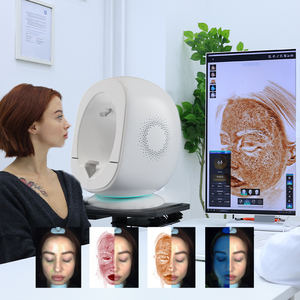
30+ Detection Dimensions Skin Analyzer With Android System Scientific Aging Quantification Via AI Algorithm For Salon Use
Get a Quote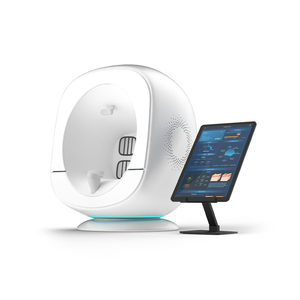
High Quality Portable Nubway Professional 3D Skin Analyzer 20 Megapixels Anti Aging Effect Verification
Get a Quote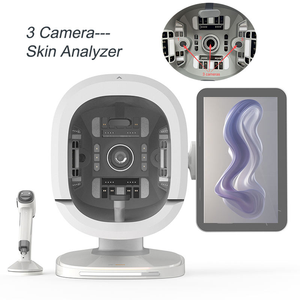
3 Cameras AI Skin Analyzer Machine K57 K33 Facial Skin Diagnosis Scanner Portable Skin Detector for Beauty Salon Skin Management
Get a Quote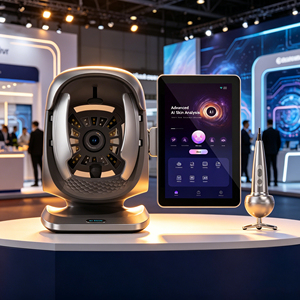

Intelligent AI Skin Diagnosis Machine with Skin Analyzer Desktop Touch Screen Face Scanner for Professional Salon Management
Get a Quote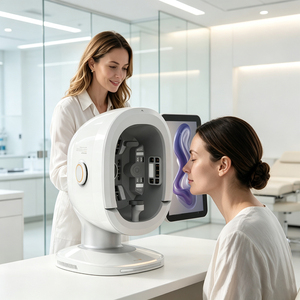
Professional AI Skin Analyzer Machine 3D Facial Scanner Deep Diagnosis Smart Report Skin Prognosis Magic Mirror Skin Analysis
Get a Quote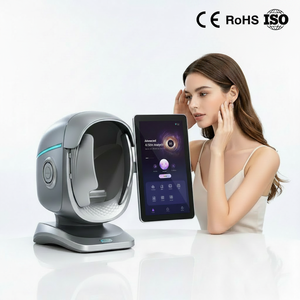
Intelligent AI Skin Diagnosis Machine with Cloud Data Storage Skin Analyzer for Salon Management
Get a Quote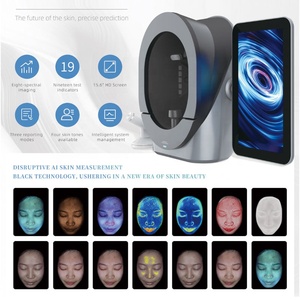
Skin Diagnosis System Facial Texture Analysis and Deep Layer Detection for Professional Beauty Clinics
Get a QuoteGlobal Market Benchmark & Executive Summary
Understanding China's Role as the Manufacturing Powerhouse for Advanced Dermatology Equipment
The global aesthetic dermatology and clinical skincare market has undergone a paradigm shift from subjective visual assessments to objective, data-driven skin diagnostic systems. At the forefront of this industrial transformation are top-tier Chinese computerized skin diagnostic station factories and exporters. Leveraging robust optical manufacturing ecosystems, advanced AI algorithm integration, and strict quality control standards certified under ISO 13485 and CE mark requirements, Chinese manufacturers have established an unparalleled competitive advantage in global OEM/ODM production.
A modern computerized skin diagnostic station represents the confluence of high-resolution digital imaging, multispectral illumination physics, dynamic photometric stereoscopy, and deep-learning diagnostic algorithms. Beyond simple surface scanning, contemporary stations evaluate skin health across multiple anatomical depths—ranging from superficial stratum corneum hydration and pore topography down to deep dermal melanin clusters, porphyrin concentration, microvascular network dilatation, and structural collagen breakdown.
Information Gain Key Insight: Quantitative Efficacy Validation
Unlike basic cosmetic skin mirrors, medical-grade diagnostic stations act as objective arbiters of treatment success. By deploying multi-spectral cross-polarized lighting coupled with RGB, UV, and Wood’s light channels, clinical practitioners and cosmetic R&D laboratories can benchmark baseline epidermal metrics against post-treatment outcomes with sub-millimeter repeatable precision.
Technological Development Trends in Diagnostic Systems
The Engineering Innovation Driving Next-Generation Skin Diagnostics
Multispectral 8-Spectrum Array
Modern stations incorporate high-CRI RGB LED daylight, parallel polarization, cross-polarization, UV 365nm fluorescence, Wood's Light, and red/blue narrow-band spectrums to isolate distinct chromophores like hemoglobin and melanin without tissue trauma.
3D Photometric Topography
Utilizing patented photometric stereo reconstruction, systems convert multi-angle shadows into exact 3D micro-relief topographical maps, enabling precise volumetric measurement of wrinkle depth, skin roughness (Ra/Rz values), and acne scars.
AI Deep-Learning Prognosis
Neural network algorithms trained on millions of dermatological images evaluate age-related tissue degradation. Systems project 3-to-5-year skin prognosis models, demonstrating potential aging patterns or therapeutic regression.
Technical Specification Benchmark
Comparing Traditional Skin Magnifiers with Advanced Computerized Diagnostic Stations
| Evaluation Parameter | Standard Handheld Scanner | Basic 3-Spectrum Mirror | Computerized Station (China Top Tier) |
|---|---|---|---|
| Optical Sensor Resolution | 2.0 to 5.0 Megapixels | 12.0 to 16.0 Megapixels | 20.0 to 48.0 Megapixels HD Sony Sensor |
| Illumination Spectrum Channels | 1 Spectrum (White LED) | 3 Spectrums (RGB, UV, Polarized) | 8 to 12 Spectrum Array (Inc. Wood's Light) |
| 3D Wrinkle & Texture Depth | 2D Visual Approximation | Calculated Pixel Contrast | True Photometric Stereo 3D Volumetric Mapping |
| Sub-Surface Vascular Analysis | Not Available | Basic Redness Highlight | Hemoglobin & Erythema Separation Mapping |
| Software Architecture | Local Standalone App | Desktop Windows SW | Android / Windows Cloud SaaS + API/SDK Integration |
| Regulatory & Safety Compliance | Basic CE / RoHS | CE, FCC | ISO 13485, CE Medical Class I/II, FDA Registered |
Future Procurement Trends for Global Buyers
Strategic Purchasing Insights for Distributors, Aesthetic Chains, and Pharma Brands
As the international beauty and clinical market consolidates, commercial procurement managers, spa franchisors, and pharmaceutical contract research organizations (CROs) must evaluate skin analysis hardware through a strategic lens. Sourcing directly from top China factories offers distinct advantages in cost efficiency, hardware customization, and rapid innovation cycles.
1. Cloud SaaS & Multi-Clinic Management
Enterprise buyers now prioritize stations backed by secure cloud infrastructure. Centralized SaaS databases allow chain stores to synchronize client skin reports seamlessly across multiple clinic locations, enhancing brand loyalty.
2. White-Label & SDK/API Customization
Leading Chinese exporters are no longer just hardware suppliers; they provide complete software development kits (SDKs). Skincare brands customize the station UI, branding, and product recommendation algorithms to boost cross-selling.
3. Rigorous Clinical Validation Standards
Global procurement teams are demanding strict compliance with international medical device management systems (ISO 13485). Premium Chinese factories provide clinical validation studies verifying sensor accuracy against gold-standard laboratory instruments.
Enterprise Advantage & Manufacturing Ecosystem
Why Leading Medical Brands Partner with Premier Chinese OEM/ODM Exporters
Dust-Free Optical Calibration Labs
Our featured manufacturing facilities utilize Class 10,000 dust-free cleanrooms for optical lens assembly and sensor calibration. This guarantees zero particle contamination, ensuring pristine, color-accurate image capture.
End-to-End OEM/ODM Engineering
From industrial ID design, structural molding, and PCB prototyping to AI algorithm training and multi-language software localization, our partner factories deliver full turnkey manufacturing with rapid time-to-market.
Global Compliance & Data Security
Exported diagnostic stations comply with international regulatory frameworks including CE, RoHS, FCC, and FDA. Software architecture enforces GDPR and HIPAA-compliant data encryption protocols for maximum client privacy.
Frequently Asked Questions (Procurement FAQ)
Expert Answers to Critical Sourcing, Technical, and Commercial Inquiries
Q1: What are the core detection dimensions measured by a computerized skin diagnostic station?
Advanced stations analyze up to 30+ distinct skin parameters. These include epidermal surface features (fine lines, deep wrinkles, texture roughness, open pores, acne lesions) and dermal sub-surface features (deep pigmentation, UV spot damage, porphyrin/bacterial breakdown, micro-vascular redness/rosacea, skin moisture levels, and skin age quantification).
Q2: How do Chinese skin analyzer factories ensure color consistency and optical repeatability?
Top factories utilize standardized light-emitting diode (LED) arrays with high Color Rendering Index (CRI > 95) and automated optical target calibration. Each device undergoes factory calibration using standardized color charts, ensuring image data remains consistent across different diagnostic stations and environmental ambient lighting conditions.
Q3: Can the diagnostic software be customized to recommend our specific cosmetic brand products?
Yes. OEM/ODM exporters provide built-in product management backends. Spa managers or cosmetic brands can easily upload their product catalog, matching specific skin issues (e.g., high UV pigmentation) to specific skincare serums or treatment procedures, facilitating automated upselling during client consultations.
Q4: What is the typical Minimum Order Quantity (MOQ) and lead time for OEM branding?
Standard white-label customization (adding brand logos to software UI and chassis) usually starts at an MOQ of 5 to 10 units with a lead time of 7–14 business days. Deep ODM projects involving custom chassis molds or dedicated software features require higher MOQs and lead times of 30–45 days.
Q5: Are the diagnostic reports shareable with clients on mobile devices?
Yes. Modern stations generate instant diagnostic reports accessible via QR codes, direct email export, or dedicated mobile client portals. Clients can scan the code to view interactive 3D skin models and progress tracking charts directly on their smartphones.
Q6: What warranty and technical support services are provided for international buyers?
Leading Chinese exporters provide 1 to 3-year hardware warranties along with lifetime free remote software updates. Technical support is offered via 24/7 online diagnostics, video tutorials, and spare parts dispatch for global distributors.
Ready to Partner with China's Premier Diagnostic Station Manufacturer?
Get access to direct factory pricing, comprehensive OEM/ODM catalogs, and custom SDK technical documentation today.