
Featured Clinical Cosmetic Diagnostic Machines
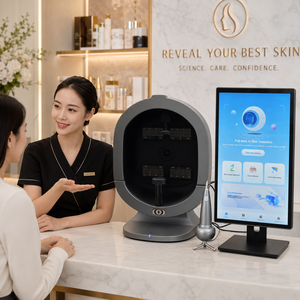
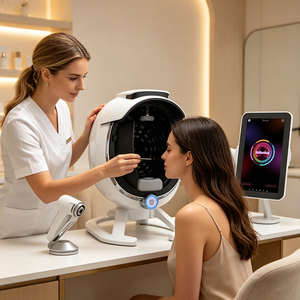
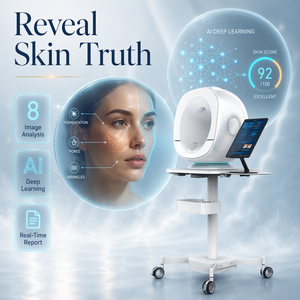
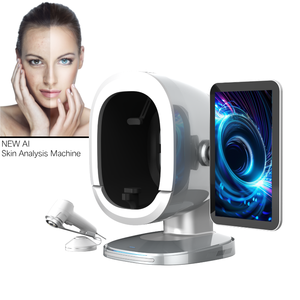
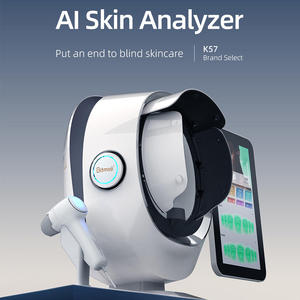
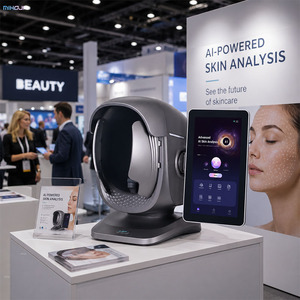
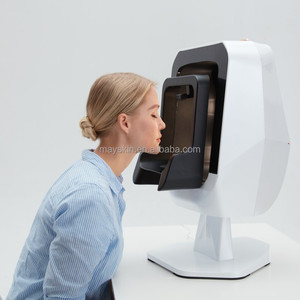
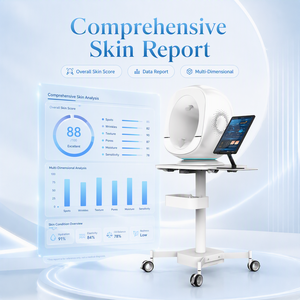
Explore our factory-direct, OEM/ODM certified 3D facial analyzers and multi-spectral skin diagnostic workstations engineered for clinical trials, dermatological practices, and high-end aesthetic clinics.
Why Top Global Brands Partner With Our Manufacturing Ecosystem
Combining Irish biomedical optical engineering with state-of-the-art ISO 13485 certified manufacturing facilities. We provide scalable OEM/ODM solutions for pharmaceutical companies, skincare conglomerates, and clinical equipment distributors worldwide.
Clinical Grade Photometric Stereo Tech
Our systems utilize patented multi-directional illuminators combined with mathematical surface normal reconstruction. Unlike standard RGB photography, our sensors extract sub-surface chromophore concentrations (melanin and hemoglobin) with true volumetric depth mapping.
Turnkey OEM/ODM & SDK Customization
We provide comprehensive white-labeling services for global cosmetic brands. From custom exterior industrial design and branding to custom algorithm training, API/SDK cloud integrations, and localized multi-language UI software suites (up to 25 languages).
Rigorous QA & Optical Calibration
Every diagnostic workstation leaving our production line undergoes rigorous 72-hour burn-in testing, multi-spectral sphere calibration, and optical alignment. Certified compliant with international safety standards including CE, FDA listing standards, and RoHS.
Technological Evolution: Photometric Stereo Imaging vs. Traditional 2D RGB Diagnostic Systems
An authoritative analysis of optical skin measurement modalities and quantitative diagnostic accuracy in modern dermatology.
In the rapidly maturing aesthetic and dermatological equipment industry, the transition from qualitative visual consultation to quantitative multi-spectral diagnostic analysis represents a fundamental paradigm shift. Historically, clinical skin consultation relied on 2D RGB diffuse illumination, which captured superficial color variations but suffered severely from ambient light interference, optical glare, and an absolute inability to quantify sub-surface micro-relief or vascular structures.
Modern clinical diagnostic machine manufacturers have overcome these physical constraints by incorporating Photometric Stereo Imaging and multi-spectral lighting arrays. By illuminating the cutaneous surface from multiple controlled, sequential vectors, advanced diagnostic software computes the gradient fields of the surface, deriving true 3D spatial topography independent of skin pigmentation.
| Optical Waveband Mode | Illumination Technology | Target Anatomical Diagnostic Target | Clinical Research Value |
|---|---|---|---|
| Cross-Polarized Light | Cross-linear polarization filters | Sub-surface Erythema, Vascularization, Rosacea, Telangiectasia | Quantifies deep dermal inflammation without interference from surface glare. |
| Parallel-Polarized Light | Parallel polarization grid | Epidermal Texture, Fine Lines, Volumetric Wrinkle Depths | Enhances surface specular reflection to highlight micro-relief changes post-treatment. |
| UVA Waveband (365nm) | Narrowband UV LED arrays | Porphyrin levels (P. acnes bacteria), Active Sebum Secretion, Deep UV Spots | Detects sub-clinical hyperpigmentation and active bacterial colonization prior to surface eruption. |
| Photometric 3D Topography | Multi-directional oblique LED vectors | Pore volume (mm³), Wrinkle depth (µm), Scar tissue indentation | Provides absolute mathematical elevation models for clinical trial efficacy verification. |
For Contract Research Organizations (CROs) and pharmaceutical developers evaluating anti-aging actives, topical formulations, or energy-based medical devices (such as fractional CO2 lasers or RF microneedling), quantitative data is paramount. The integration of AI-driven pattern recognition neural networks trained on millions of dermatological images allows diagnostic machines to automatically segment facial zones, track lesion morphology over longitudinal studies, and deliver repeatable, statistically valid trial outcomes.
Future Procurement Trends in Clinical Cosmetic Diagnostic Equipment (2026–2030)
Strategic insights for medical procurement directors, OEM brand managers, and regional equipment distributors.
1. Cloud Ecosystems & Tele-Dermatology APIs
Isolated, stand-alone diagnostic hardware is rapidly becoming obsolete. Procurement trends show a massive shift toward cloud-native diagnostic platforms. Modern clinics demand seamless integration with Electronic Health Records (EHR) and customer CRM platforms. Future-proof factories are embedding RESTful APIs and encrypted cloud storage (HIPAA/GDPR compliant) that allow multi-clinic chains to compare patient skin metrics across global clinic branches in real-time.
2. Predictive Generative AI Aging Simulations
Patients no longer want static diagnostic scores; they seek actionable visual foresight. The incorporation of Generative AI simulation models allows diagnostic machines to project skin aging trajectories over 3, 5, or 10-year timelines based on current sun damage and lifestyle metrics. Crucially, these systems simulate post-treatment recovery outcomes—demonstrating the visual impact of collagen stimulation or laser therapy to drastically boost patient consultation conversion rates.
3. Multi-Language & Cross-Border Regulatory Readiness
As aesthetic chains expand internationally, procurement managers require equipment built with multi-lingual operating systems out-of-the-box (supporting 19+ to 25 languages). Furthermore, diagnostic hardware manufacturers must maintain global regulatory compliance—ensuring hardware meets stringent EMC standards, US FDA listing requirements, European CE Medical certifications, and localized electrical compatibility (US/EU/UK/JP power topologies).
4. Custom Cosmetic Brand SDK Integration
Skincare conglomerates are increasingly procuring customized diagnostic devices as point-of-sale consultation tools. By embedding custom recommendation engines into the diagnostic software, the machine automatically correlates a patient's specific skin barrier deficiencies (such as elevated transepidermal water loss or localized melanin density) directly to the brand's specific topical product SKUs.
Frequently Asked Questions (FAQ) for B2B Buyers & Distributors
Essential guidance regarding OEM/ODM manufacturing, clinical validation, optical calibration, and global order logistics.
Partner with a Leading Diagnostic Machine Manufacturer Today
Whether you are looking to source high-precision 3D facial analyzers for your clinic chain, initiate CRO research clinical trials, or launch your brand's proprietary custom skin diagnostic device, our engineering team is ready to assist.