
Featured Skin Pigment Scanners & AI Analyzers
Explore our medical-grade 3D facial imaging systems engineered for high-precision melanin depth profiling, vascular mapping, and quantitative dermatological research.

X5PRO 9-Spectral AI Facial Skin Analyzer Machine for Face Moisture Pores Wrinkles UV Spot Analysis US/EU Compatible Commercial
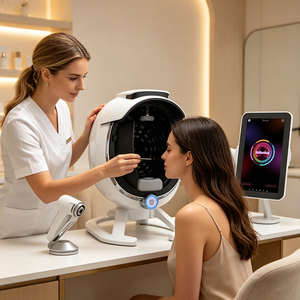
2026 Newest A6 3D Facial Scanner Skin Analyzer 8 Spectrum AI Skin Analysis Machine For Blackheads And Pores Depth Detection
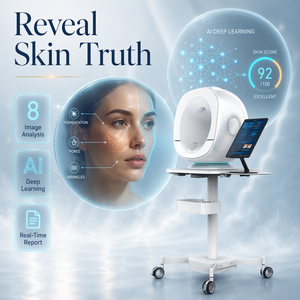
All in One Facial Skin Analyzer Machine 3D Camera 4 Spectra 8 Intelligent Images AI Analysis 30 Plus Detection Dimensions Clinic
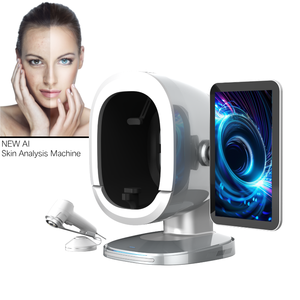
Newest 3D AI Intelligent Skin Analyzer Face Scanner Skin Analysis Machine Facial Tester Scanner Support 19 Languages
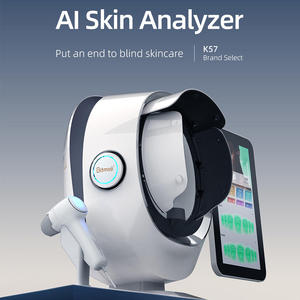
High Quality Portable Facial Analysis Skin Monitor Analyzer 3D Digital Skin Analyzer Machine for Salon

Newest X3-pro-Skin-Analyzer Facial Scanner Skin Analyzer For Resaller 25 Languages X3 Skin Analysis Machine Wifi Contact
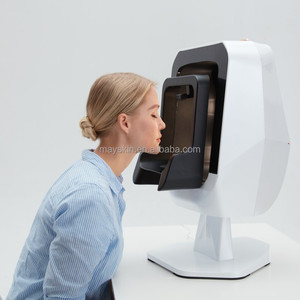
Meicet Mc88 Professional Facial Scanners Beauty Machine Smart Skin Analyzer Moisture Tester Face Skin Analyser for Beauty Salon
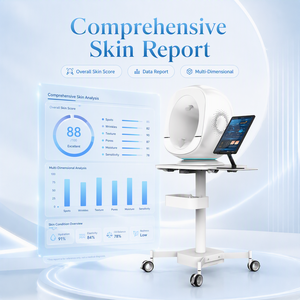
Scientific Research Anti Aging Verification 3D Skin Analyzer Machine 4 Spectra AI 8 Intelligent Images 30 Plus Detection Clinic
Quantitative Optical Diagnostics for Fitzpatrick IV–VI Skin Types in East Africa
The East African aesthetic and dermatological medicine landscape is undergoing a structural transition toward objective, biophysical skin quantification. As leading clinical skin pigment scanner manufacturers and global exporters supplying Kenya, Nairobi, Mombasa, and regional healthcare networks, our clinical engineering team addresses the specific diagnostic complexities posed by melanin-rich dermal architectures under high equatorial solar irradiance.
Information Gain Insight: Standard RGB or basic UV surface imaging systems frequently fail in darker skin tones due to excessive surface absorption. Our 3D Photometric Stereo and Multispectral Optical Analysis physically separate the spectral signature of epidermal melanin from dermal hemoglobin, allowing Kenyan dermatologists to quantify pigmentation depth without optical distortion.
1. Biophysical Mechanisms of Skin Pigment Scanning in High-Melanin Phenotypes
Diagnostic evaluation of African skin (specifically Fitzpatrick Scale Types IV, V, and VI) demands optical modalities capable of penetrating dense baseline epidermal melanin concentrations. Traditional wood's lamps and standard digital cameras capture surface reflections that mask underlying pigment distribution. Clinical skin pigment scanners manufactured for the Kenyan market utilize multi-directional LED illumination paired with narrow-band optical filters.
By capturing sequential images under cross-polarized, parallel-polarized, UV, and multispectral light modalities, the optical sensor extracts quantitative reflectance maps. Advanced algorithms compute the specific absorption spectra of two primary skin chromophores:
- Melanin Index (MI): Isolates eumelanin and pheomelanin concentration across the basal layer, mapped in a calibrated 3D color spectrum to measure hyperpigmentation density.
- Hemoglobin Index (HI): Separates vascular dynamics, erythema, and telangiectasia from background pigmentation, allowing clinicians to distinguish inflammatory erythema from permanent hyperpigmentation.
| Diagnostic Parameter | Conventional RGB / UV Devices | Clinical 3D Multispectral Scanners (Our Hardware) |
|---|---|---|
| Fitzpatrick IV–VI Sensitivity | Low (Melanin oversaturation causes glare & false positives) | High (Modified optical path length & calibrated diffuse reflectance) |
| Pigment Depth Detection | Surface level only (2D RGB boundary) | Epidermal, Dermal & Mixed Depth Profiling (3D Stereo Mapping) |
| PIH vs. Vascular Erythema | Confounded by dark background tissue | Complete spectral separation of Melanin (MI) & Hemoglobin (HI) |
| Repeatability & Alignment | Subject to room ambient light variations | Controlled lighting chamber + position matching algorithms |
| Clinical Data Export | Uncalibrated JPEG images | Quantitative absolute values (CIELAB L*a*b*), volumetric metrics |
2. Primary Clinical & Aesthetic Application Scenarios in Kenya
Dermatologists, cosmetic surgeons, and clinical research organizations (CROs) in Kenya face distinct pathological conditions driven by genetic predisposition, climate factors, and regional skincare practices.
Post-Inflammatory Hyperpigmentation (PIH)
PIH is the primary complaint among patients in Nairobi and Mombasa following acne, chemical peels, or laser treatments. Our scanners track microscopic pigment dispersion over time, verifying treatment efficacy objectively.
Melasma & Solar Lentigines
Due to Kenya's position on the equator, high UV exposure exacerbates stubborn epidermal and dermal melasma. Quantitative scanners assess pigment depth to guide topical, laser, or microneedling protocols safely.
Steroid-Induced Ochronosis & Damage
Widespread use of unverified skin lightening cosmetics containing hydroquinone or corticosteroids leads to exogenous ochronosis and skin thinning. Clinical scanners identify subterranean pigment clustering before macro-visuality.
3. Localized Market Trends & Regulatory Environment in Kenya
The Kenyan medical aesthetics sector is undergoing rapid commercial elevation. Driven by expanding middle-class disposable income, international medical tourism within East Africa, and strict oversight by the Pharmacy and Poisons Board (PPB) and the Kenya Bureau of Standards (KEBS), practitioners can no longer rely on subjective visual inspections.
Key market growth drivers include:
- Evidence-Based Aesthetic Consultations: Patients in Kilimani, Westlands, and Karen demand visual proof of product performance prior to purchasing expensive laser or biologic regimens.
- Regulatory Compliance: Importation of medical diagnostic devices requires adherence to international ISO 13485 standards and CE/FDA certifications, backed by verified manufacturer warranties.
- Integration with CROs & Clinical Trials: East African academic institutions and pharmaceutical distributors utilize quantitative 3D imaging to validate tropical skin formulations scientifically.
Global Exporter Capabilities & Manufacturer Direct Support
Leveraging over 15 years of optical physics R&D, patent-protected 3D skin analysis technologies, and robust international supply chains.
Factory Direct & Customized OEM
As original hardware and software manufacturers, we provide custom software branding, local language packs (including Swahili and English), and bespoke chassis customization for hospital chains.
Seamless Kenyan Logistics & Clearances
We handle complete door-to-door (DDP) or CIF Nairobi/Mombasa export logistics, ensuring all KEBS pre-export verification of conformity (PVOC) documentation is flawlessly handled.
Full Clinical Training & After-Sales
Every device shipment includes remote or on-site operational certification for your clinical staff, software updates, and 24/7 technical hotline access.
Frequently Asked Questions by Kenyan Buyers
Essential information regarding imports, power compatibility, software licensing, and clinical utility across East Africa.
Request Factory Direct Quotation & Clinical Specification Datasheet
Equip your hospital, dermatology practice, or aesthetic clinic in Kenya with the world's most advanced 3D skin pigment analysis technology. Contact our export engineering team today for instant pricing, delivery timelines, and live product demonstrations.