
Featured Clinical-Grade High Definition Skin Analyzers
Engineered in ISO 13485 certified facilities and direct-shipped to Tokyo medical aesthetic practices, CRO laboratories, and high-end cosmetic clinics.
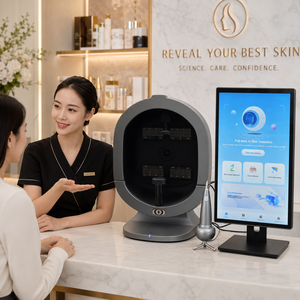
X5PRO 9-Spectral AI Facial Skin Analyzer Machine for Face Moisture Pores Wrinkles UV Spot Analysis US/EU Compatible Commercial
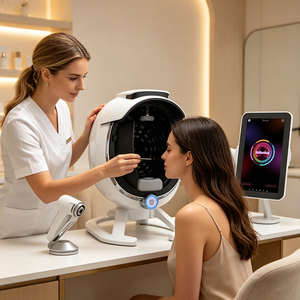
2026 Newest A6 3D Facial Scanner Skin Analyzer 8 Spectrum AI Skin Analysis Machine For Blackheads And Pores Depth Detection
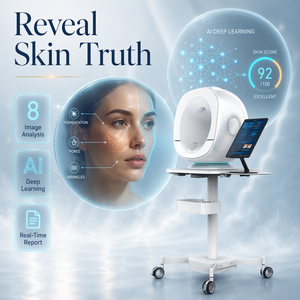
All in One Facial Skin Analyzer Machine 3D Camera 4 Spectra 8 Intelligent Images AI Analysis 30 Plus Detection Dimensions Clinic
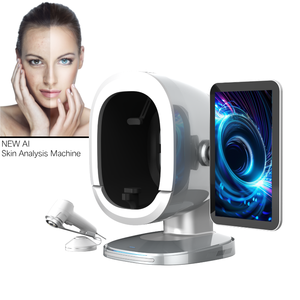
Newest 3D AI Intelligent Skin Analyzer Face Scanner Skin Analysis Machine Facial Tester Scanner Support 19 Languages
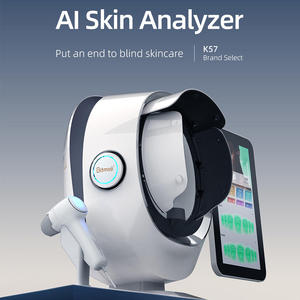
High Quality Portable Facial Analysis Skin Monitor Analyzer 3D Digital Skin Analyzer Machine for Salon
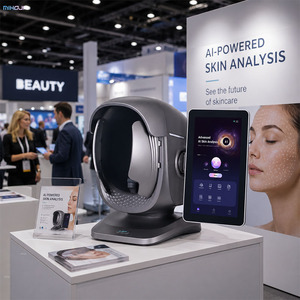
Newest X3-pro-Skin-Analyzer Facial Scanner Skin Analyzer For Resaller 25 Languages X3 Skin Analysis Machine Wifi Contact
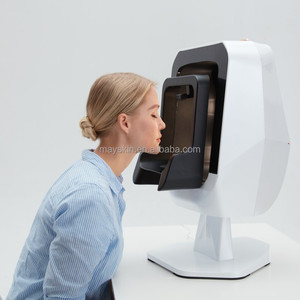
Meicet Mc88 Professional Facial Scanners Beauty Machine Smart Skin Analyzer Moisture Tester Face Skin Analyser for Beauty Salon
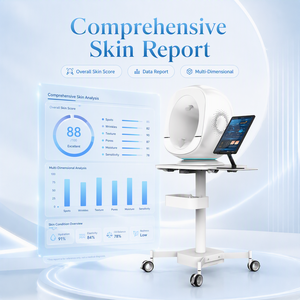
Scientific Research Anti Aging Verification 3D Skin Analyzer Machine 4 Spectra AI 8 Intelligent Images 30 Plus Detection Clinic
High-Definition Optical Topography in Modern Asian Dermatology
The integration of multispectral reflectance spectroscopy and photometric stereo imaging is fundamentally transforming diagnostic standards across Tokyo’s premier medical aesthetic hubs in Ginza, Roppongi, and Omotesando.
In the rapidly evolving landscape of advanced dermatological diagnostics, High Definition Skin Imaging Devices serve as the indispensable bridge between qualitative clinical observation and quantitative biophysical measurement. For medical aesthetic clinics, plastic surgery centers, and Contract Research Organizations (CROs) serving Tokyo, transitioning from subjective tactile evaluations to objective 3D optical topography is no longer a luxury—it is a baseline prerequisite for patient trust and regulatory compliance under Japanese health standards.
Tokyo’s discerning demographic demands absolute transparency regarding treatment efficacy. Whether evaluating micro-wrinkle volumetric changes following fractional laser treatments, monitoring melasma modulation post-intense pulsed light (IPL) therapy, or tracking dermal hydration dynamics during seasonal atmospheric shifts in the Kanto region, clinical practitioners require sub-micron optical accuracy. As leading high-definition skin imaging device factories and exporters serving Tokyo, our manufacturing architecture integrates multi-spectral LED lighting arrays, cross-polarized optical filtering, and deep-learning neural algorithms trained on extensive East Asian dermal datasets (specifically Fitzpatrick Skin Types III and IV).
Photometric Stereo Reconstruction
Utilizing multi-directional LED illumination, our software captures sequential surface shading to reconstruct precise 3D skin topography maps. This allows accurate micromorphology extraction, quantifying skin roughness (Ra, Rz values), pore geometry, and wrinkle depth in real-time without physical contact.
Sub-Surface Chromophore Separation
By leveraging customized RGB, UV, and cross-polarized light spectrums, the system isolates epidermal melanin concentration from dermal hemoglobin distribution. This dual-chromophore analysis provides critical diagnostic visibility into hidden hyperpigmentation and deep vascular inflammation.
AI-Driven Predictive Diagnostics
Our 2026-generation neural engine compares patient scans against thousands of categorized dermatological profiles. It automatically identifies structural pore sagging, acne propionibacterium fluorescence (porphyrins), and micro-vascular telangiectasia with zero operator bias.
Engineering Specifications: Multispectral Optical Imaging vs. Standard RGB Scanners
Standard entry-level skin analyzers rely solely on white LED ambient lighting and low-resolution CMOS sensors, resulting in high vulnerability to specular glare, ambient light bleeding, and inconsistent color temperature calibration. For professional practices in Tokyo, clinical accuracy requires standard-compliant equipment that eliminates external environmental variables.
Our factory-manufactured devices incorporate a proprietary closed-canopy optical sphere paired with polarized optical filters set at 90-degree cross-angles. This completely neutralizes surface shine (specular reflection), permitting the light rays to penetrate down to the papillary dermis. The resulting image data undergoes automated chromophore unmixing using modified Beer-Lambert absorption models, yielding actionable metrics on total epidermal melanin index, vascular erythema index, and structural collagen density loss.
| Diagnostic Parameter | Standard Consumer Analyzer | Miravex Antera 3D® Reference Standard | Our Factory Export HD System (Tokyo Spec) |
|---|---|---|---|
| Spectral Modalities | Single RGB White Light | Multispectral LEDs (NIR / RGB) | 9-Spectrum RGB + UV + Cross-Polarized + Parallel |
| 3D Topography Precision | Interpolated 2D Shadow Map | Photometric Stereo Sub-micron | Photometric Stereo 3D (Depth < 10 microns) |
| Melanin & Vascular Separation | RGB Color Thresholding (Inaccurate) | Sub-surface Chromophore Mapping | Advanced RGBX Chromophore Unmixing Matrix |
| Japan PSE & Voltage Compatibility | Requires External Adapter | EU / US Native (Requires Step-Down) | Integrated 100V 50/60Hz Universal PSE Modular Supply |
| Local Language Interface | English Only / Poor Translation | Multi-Language Software | Native Japanese UI & Automated Patient Report Output |
Targeted Application Scenarios Across Tokyo’s Aesthetic Ecosystem
How medical practices, cosmetics brands, and clinical research centers across the Kanto area deploy high-definition imaging systems to maximize clinical outcomes and ROI.
High-End Ginza & Roppongi Cosmetic Surgery Clinics
In Tokyo's premier aesthetic clinics, high-definition skin imaging is used prior to laser skin resurfacing, HIFU lifting, and injectable anti-aging procedures. By showing patients quantitative baseline data—such as exact wrinkle volume, pore diameter, and deep dermal pigment loads—clinicians establish undeniable objective proof of post-treatment improvement during consultation follow-ups.
Tokyo & Kanagawa Skincare R&D Centers (OEM/ODM)
Japan’s cosmetics industry is renowned for rigorous clinical efficacy testing. Cosmetics OEMs and ingredient laboratories located in Tsukuba, Yokohama, and central Tokyo utilize our high-definition 3D skin analyzers for claim substantiation. Quantifiable measurements of transepidermal water loss (TEWL indicators), skin smoothness (Se, Sm values), and hyperpigmentation reduction allow brands to satisfy strict regulatory documentation for quasi-drugs (医薬部外品, *Iyakubuhainhin*).
Personalized J-Beauty Counter Consultations
Modern department stores in Shinjuku and Shibuya are rapidly replacing traditional manual moisture meters with automated AI skin scanning terminals. Our compact, high-speed units generate comprehensive skin health radar charts within 15 seconds, driving instant personalized skincare formulation recommendations and higher customer conversion rates at retail points of sale.
Navigating Japanese Regulatory Standards & Industry Trends
Exporting high-tech optical equipment into Tokyo requires rigorous adherence to local electrical safety, software localization, and clinical validation protocols.
When importing high-definition skin imaging devices into Japan, B2B procurement managers and clinic directors must navigate specific regulatory mandates. As a direct factory manufacturer and global exporter, our systems are pre-engineered to meet all local Japanese commercial standard requirements:
PSE Electrical Safety Compliance
Japan operates on a unique 100V grid (50Hz in Eastern Japan including Tokyo, 60Hz in Western Japan). All our export hardware features internal wide-range switching power units (100V-240V) certified under the Electrical Appliance and Material Safety Law (PSE mark), eliminating the need for bulky external transformers.
PMDA & Non-Invasive Classification
Our analyzers fall under non-invasive optical evaluation tools. Designed to support dermatologists without delivering ionizing radiation or harmful currents, our systems facilitate seamless customs clearance at Haneda and Narita airports under standard HS Code 9018.90 medical and optical instruments classification.
Japanese Software Localization
Effective patient communication requires clear language alignment. Our integrated software suite supports full Japanese translation, including automated diagnostic summary printing, LINE messaging integration options, and localized reporting modules suited for Japanese clinic workflows.
Why Tokyo Importers & Distributors Partner Directly with Our Factory
Bypassing third-party brokers allows us to deliver research-grade optical hardware with customized OEM firmware, full SDK access, and direct factory technical support.
Our state-of-the-art manufacturing facility operates 10,000-class dust-free cleanrooms dedicated to optical lens alignment, spectral LED calibration, and sensor matrix assembly. By maintaining total vertical integration—from mechanical industrial design to AI algorithm training—we offer unbeatable value for Tokyo aesthetic distributors and institutional buyers.
ISO 13485 Manufacturing
Every device undergoes strict quality control standards, including a continuous 72-hour burn-in stress test, optical sphere sphere-uniformity verification, and sensor thermal stability testing to guarantee zero thermal drift during high-volume clinic usage.
OEM / ODM Customization
We offer complete white-label OEM branding options for Japanese cosmetic brands and aesthetic equipment distributors. Custom housing colors, embedded clinic logo branding, customized algorithm weighting, and specialized API data export protocols are readily supported.
Rapid Kanto Logistics
With streamlined export pathways to Tokyo Bay port and Tokyo air cargo terminals (HND/NRT), typical transit lead times range between 3 to 5 business days, backed by express spare parts replacement and dedicated remote software support.
Frequently Asked Questions by Tokyo B2B Procurement Managers
Clear, expert answers to key operational, technical, and logistical questions regarding importing high-definition skin imaging devices into Japan.
Q: How do your high-definition skin analyzers handle Fitzpatrick III & IV Asian skin tones?
Our multispectral AI algorithms are specially calibrated using deep learning datasets collected from East Asian populations. Standard Western skin analyzers often over-estimate superficial erythema while under-reporting deep dermal melasma due to higher epidermal baseline melanin content. Our 9-spectral cross-polarized optics accurately isolate sub-epidermal melanin from vascular hemoglobin, ensuring sub-micron accuracy without skin tone bias.
Q: Are these devices compatible with Japan's 100V electrical power system?
Yes. All export devices bound for Tokyo are equipped with auto-sensing universal power supplies (100-240V AC, 50/60Hz) and ship standard with Japanese Type A/B grounded power cords. Complete PSE electrical compliance documentation is provided with every shipment for seamless local operation.
Q: Can the analysis report software be customized with Japanese language and clinic branding?
Absolute customization is a core advantage of buying direct from our factory. The diagnostic user interface, printable client analysis sheets, and automated PDF export reports can all be rendered in full Japanese. Additionally, we can integrate your clinic or company logo, custom contact information, and specific product recommendation lists directly into the software software module.
Q: What is the typical delivery timeline to Tokyo, and how are customs handled?
Standard factory shipments to Tokyo via express air freight (DHL/FedEx/UPS) arrive within 3 to 5 business days post-dispatch. For bulk distributor orders shipping via sea container to the Port of Tokyo, lead times are approximately 10 to 14 days. We provide comprehensive export documentation including Commercial Invoices, Packing Lists, Certificates of Origin, and HS Code 9018.90 declarations to ensure hassle-free customs clearance.
Q: How is after-sales technical support and hardware warranty managed for Japanese clients?
We offer a standard 2-Year Full Factory Warranty on optical engines and main processing units. Technical assistance is provided by dedicated bi-lingual engineering staff via high-priority video sessions, remote desktop assistance, and fast-track module replacement. Replacement optical modules can be air-shipped to Tokyo within 48 hours to guarantee minimal clinic downtime.
Q: Is SDK or API access available for integration into existing Tokyo Electronic Medical Record (EMR) systems?
Yes. For large aesthetic clinic chains, hospital networks, or skincare brand developers in Tokyo, we offer full RESTful API and Windows/Android SDK access. This allows your IT team to seamlessly transmit diagnostic patient images, raw numerical metrics, and treatment historical data directly into your localized EMR or CRM database.
Request Factory Direct Wholesale Pricing & Technical Specifications
Connect directly with our engineering and export team serving Tokyo. We provide customized quotes, OEM/ODM consulting, and full technical whitepaper documentation within 12 business hours.
Send an Inquiry