
High-precision optical skin diagnostic systems engineered with multi-spectral imaging, 3D facial topology mapping, and GDPR-compliant cloud management. Designed for dermatologists, aesthetic clinics, and cosmetic research institutes across Norway.

1. Executive White Paper: The Shift to Quantitative Dermatology in Norway
The Scandinavian medical aesthetics and clinical dermatology market is undergoing a rapid paradigm shift toward data-driven diagnostic consultations. In Norway—spanning major urban hubs such as Oslo, Bergen, Trondheim, and Stavanger—patients demand objective, scientifically verifiable evidence prior to investing in complex laser therapies, injectables, or high-end anti-aging skincare regimens.
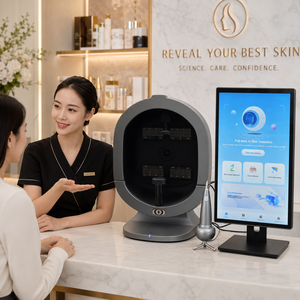
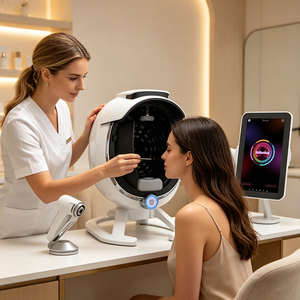
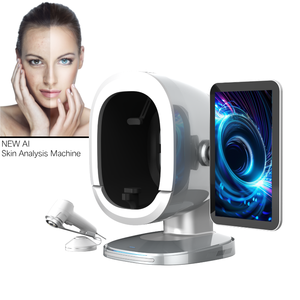
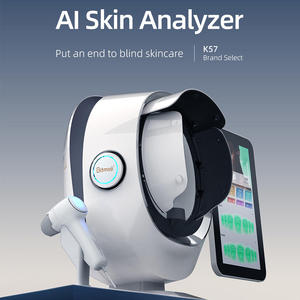
Traditional visual inspection is no longer sufficient to secure patient trust or validate expensive cosmetic procedures. As leading OEMs (Original Equipment Manufacturers) in China advance the frontier of medical optical imaging, high-precision AI skin analyzers are filling this gap. By combining multi-spectral photography, cross-polarized light filtering, 3D surface topography, and deep-learning neural networks, modern skin diagnostic devices quantify hidden skin pathologies long before they manifest visually on the stratum corneum.
For Norwegian distributor networks, medspas, plastic surgery centers, and cosmetic R&D laboratories, sourcing direct from China’s premier skin analyzer manufacturers presents an unmatched combination of clinical rigor, architectural scalability, and commercial ROI.
2. Localized Market Intelligence: Analyzing Nordic Skin Micro-Cimates
Optimizing diagnostic skin hardware for the Norwegian populace requires deep understanding of local environmental stressors and predominant dermatological phenotypes. The Scandinavian population predominantly exhibits Fitzpatrick Skin Types I, II, and III, characterized by low melanin density, heightened vulnerability to ultraviolet radiation, and a thin skin barrier susceptible to environmental degradation.
Norway’s extreme seasonal temperature swings—characterized by sub-zero outdoor weather coupled with dry indoor heating—severely compromise the skin’s natural moisturizing factor (NMF). AI analyzers accurately isolate barrier breakdown via RGB moisture reflection and trans-epidermal water loss (TEWL) indexing.
Nordic skin exhibits high rates of diffuse erythema, telangiectasia, and rosacea. Cross-polarized light filtering (520nm–580nm wavelength isolation) isolates hemoglobin absorption profiles, revealing sub-surface vascular structures imperceptible to the naked eye.
Despite long northern winters, high-altitude ski environments and coastal water reflections lead to acute UV damage. UV spectral imaging at 365nm illuminates deep dermal spots and latent hyperpigmentation before it emerges to the surface.
3. Multi-Spectral AI Optics: The Core Technological Infrastructure
To deliver genuine Information Gain, an AI facial skin analyzer must go beyond basic image capture. The state-of-the-art architectures exported from China to Norway employ patented optical hardware and cloud algorithmic pipelines:
- Standard RGB White Light Imaging: Captures surface pore topology, gross hyperpigmentation, deep acne scarring, and surface wrinkles under standardized 5600K color-temperature illumination.
- Parallel-Polarized Light Imaging: Eliminates specular glare from the stratum corneum, accentuating micro-relief texture variations, fine lines, and skin smoothness indicators.
- Cross-Polarized Light Imaging: Filters out surface reflections entirely to probe the upper papillary dermis, isolating vascular inflammation, hemoglobin concentrations, and redness patterns.
- Ultraviolet (UV) 365nm Spectroscopy: Induces fluorescence in porphyrins produced by Propionibacterium acnes, while quantifying sub-dermal melanin clusters and latent sun damage.
- Wood’s Light Spectral Matrix (405nm): Provides definitive diagnostic clarity between epidermal pigment alterations and dermal dyschromia.
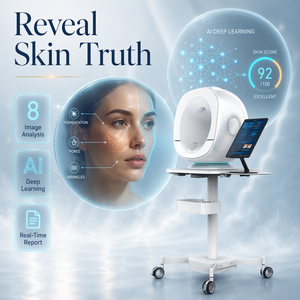
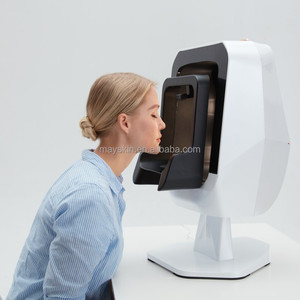
Coupled with high-resolution 20+ Megapixel CMOS sensors, these optical outputs are analyzed using Convolutional Neural Networks (CNNs) trained on over 10 million clinically annotated facial image sets. The AI engine segments the face into 36 distinct anatomical zones, scoring each region against age-matched demographic baselines.
4. Regulatory & Data Compliance for Norway (EU GDPR & Medical CE)
Importing medical aesthetic technology into Norway requires strict adherence to both national and European Union regulatory frameworks (due to Norway’s EAA agreement). Chinese manufacturers catering to the Norwegian market provide complete compliance documentation:
All client profiles, high-resolution diagnostic images, and facial scan histories are encrypted using AES-256 protocols. Cloud servers supporting Scandinavian clients are hosted within EU-based data centers (e.g., Frankfurt/Stockholm) ensuring compliance with Norwegian Datatilsynet privacy regulations.
Systems are fully compliant with EU Electromagnetic Compatibility (EMC Directive 2014/30/EU) and Low Voltage Directive (LVD 2014/35/EU), carrying certified CE markings required for commercial operation across Norway.
Produced under ISO 13485 medical device quality management standards, guaranteeing tight manufacturing tolerances, optical sensor calibration stability, and reproducible light emission spectra over long operational lifespans.
5. Strategic Business Value & ROI for Norwegian Aesthetic Providers
Integrating an AI skin analyzer into a Norwegian aesthetic practice generates immediate quantitative return on investment across three key commercial levers:
1. Conversion Rate Enhancement: When patients in Oslo or Bergen view their high-definition 3D sub-surface skin metrics—such as hidden UV damage or deep vascular inflammation—consultation-to-treatment conversion rates typically increase by 35% to 50%.
2. Longitudinal Treatment Validation: By capturing identical before-and-after multi-spectral images across multi-month treatment courses (e.g., microneedling, IPL, laser resurfacing, or chemical peels), clinics provide definitive mathematical proof of efficacy, driving repeat patient visits and skincare product purchases.
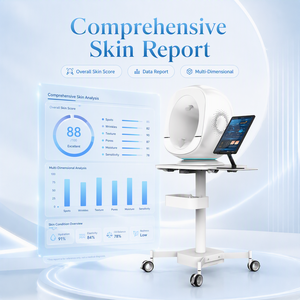
3. Reduced Consultation Time with Automated AI Reports: The software automatically generates localized PDF diagnostic reports in under 15 seconds. Practitioners can easily explain complex dermatological conditions without lengthening consultation schedules.
6. Frequently Asked Questions (FAQ) for Norwegian B2B Buyers
7. Manufacturer Advantages & Global Supply Chain Excellence
Partnering directly with a leading Chinese AI skin analyzer manufacturer grants Norwegian aesthetic businesses a direct competitive edge. By eliminating intermediary distributor markups while maintaining clinical-grade quality control, clinics can deploy top-tier diagnostic hardware at a fraction of Western brand prices.
Our manufacturing facility operates 10,000 m² cleanroom optical assembly lines equipped with automated spectrophotometers, laser alignment rigs, and environmental stress testing chambers. Each unit undergoes a rigorous 72-hour burn-in and optical recalibration process prior to international export.
Ready to Upgrade Your Clinic’s Diagnostic Precision?
Connect with our senior technical specialists today to receive factory-direct wholesale pricing, localized Norwegian software demos, and customized OEM supply solutions.